The Impact of Proper Insulation on Your Energy Bills
Every homeowner is in pursuit of methods to cut down household expenses, and energy bills are a significant portion of that. Almost everyone is accustomed to controlling the use of appliances and lights to conserve energy. However, few understand the substantial effect of proper insulation on energy bills. It's time to shed light on how correctly installed insulation in homes or commercial buildings can have significant impacts on your energy consumption, ultimately reducing your energy bills.
Why Insulation Matters
To begin with, insulation's primary function is to provide a boundary between the inside of your home and the ever-changing weather conditions outside. In the summer months, it prevents the cool air generated by your air conditioning system from escaping, and in winter, it locks in the heat produced by your heating system. This function dramatically reduces the load on your heating and cooling system, leading to less energy consumption and hence lower costs.
The Insulation Energy-Saving Mechanism
Since insulation acts as a barrier against heat transfer, it efficiently maintains indoor temperature. Simply put, in summer, the hot air stays outside, and in winter, the warm air stays inside. Therefore, your heating and cooling systems don't have to work as vigorously to maintain a comfortable temperature, which subsequently saves energy.
Without proper insulation, your HVAC system will constantly work to compensate for the heat loss in winter and heat gain in the summer, which can lead to higher energy bills. If you notice a steady increase in your energy bills without a significant change in appliance use, it might be due to poor insulation.
Types of Insulation and Their Role in Energy-Saving
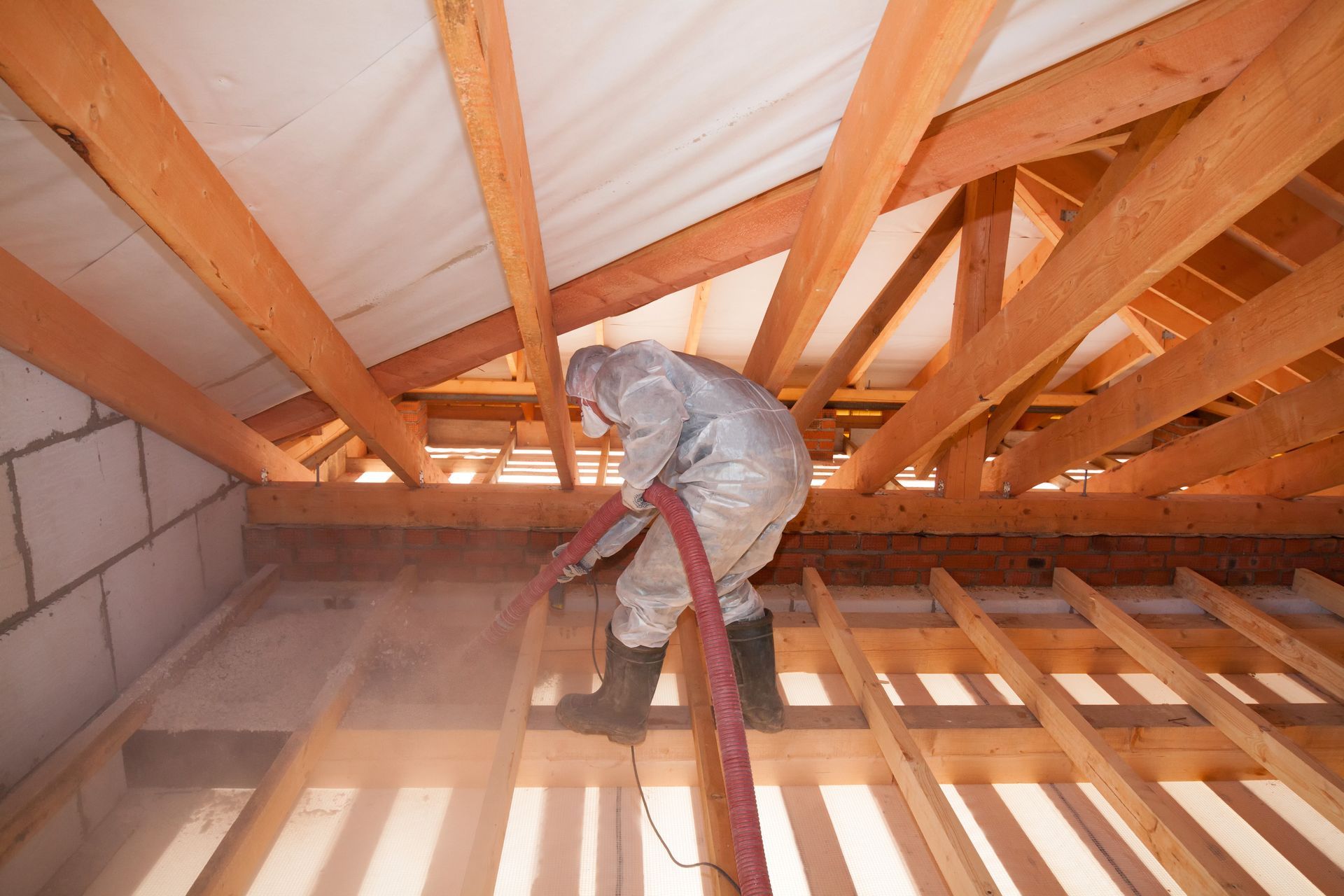
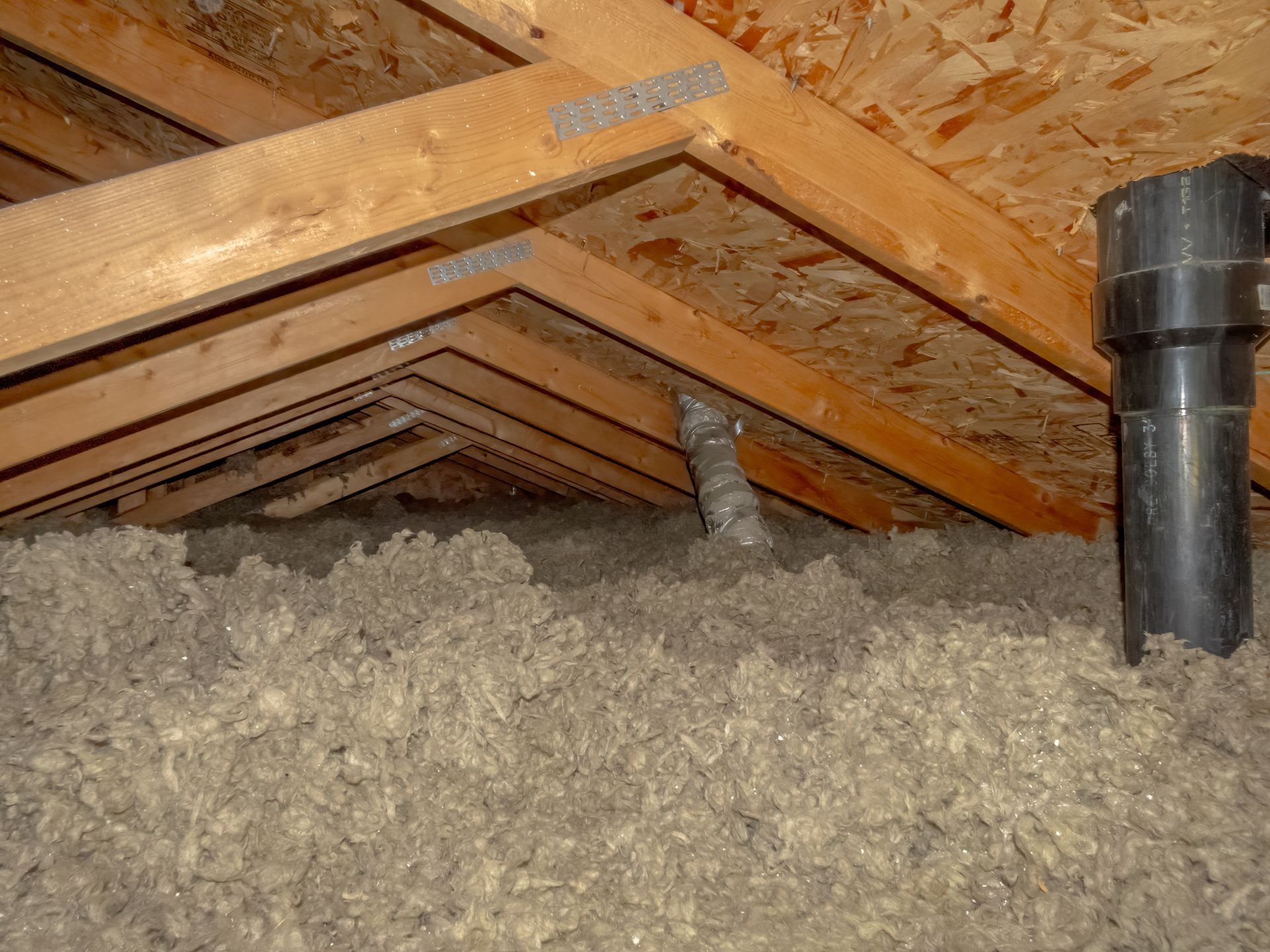
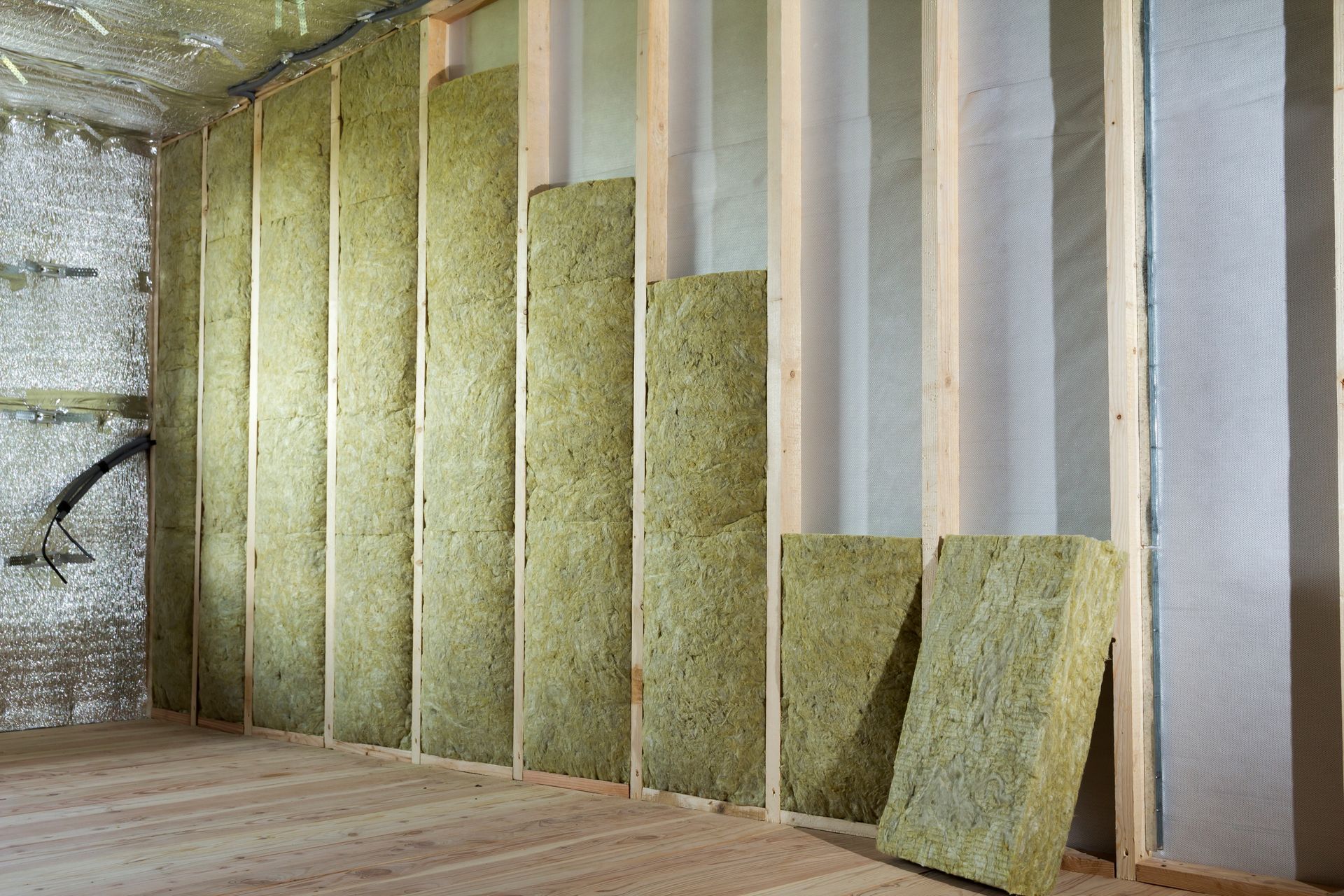
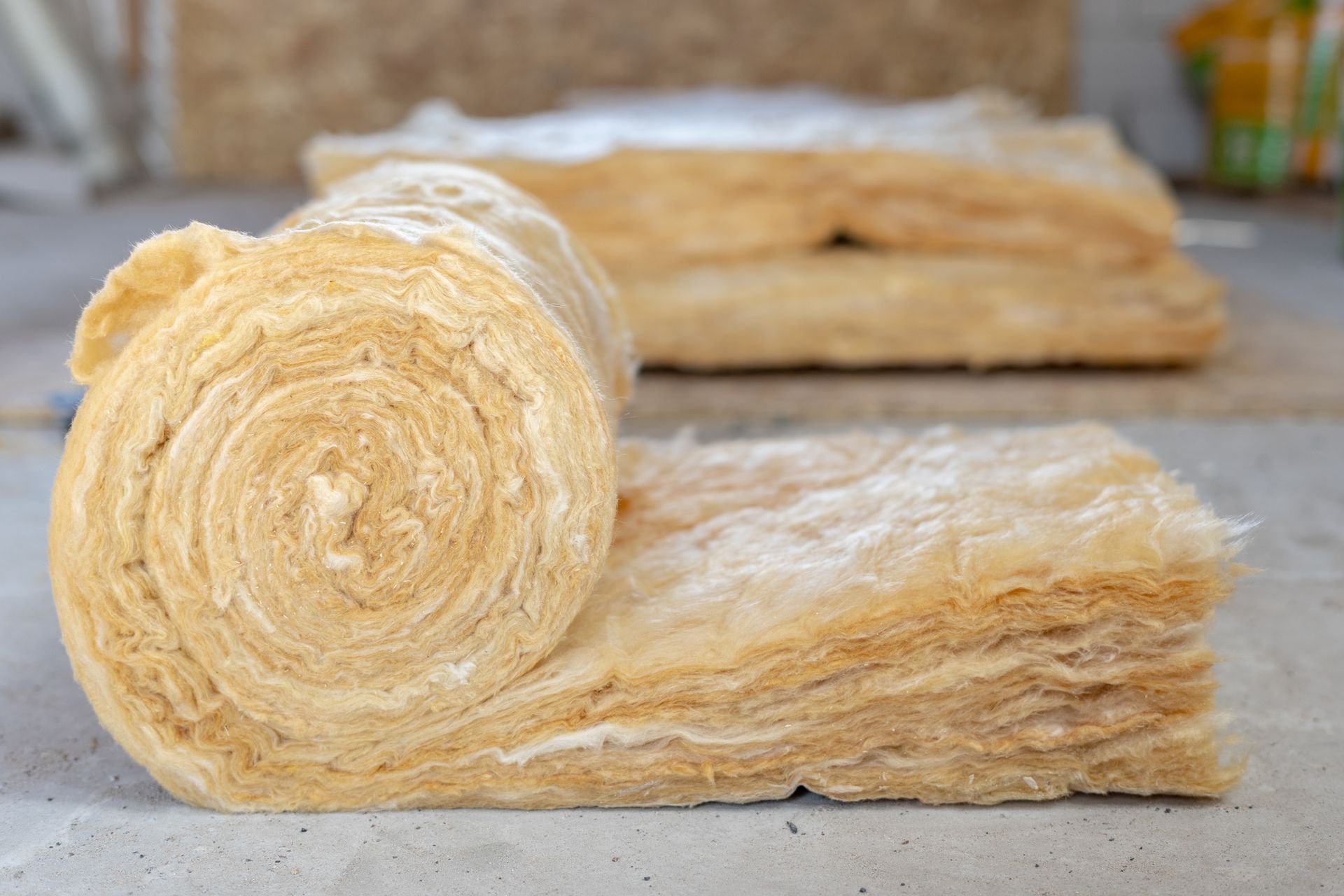
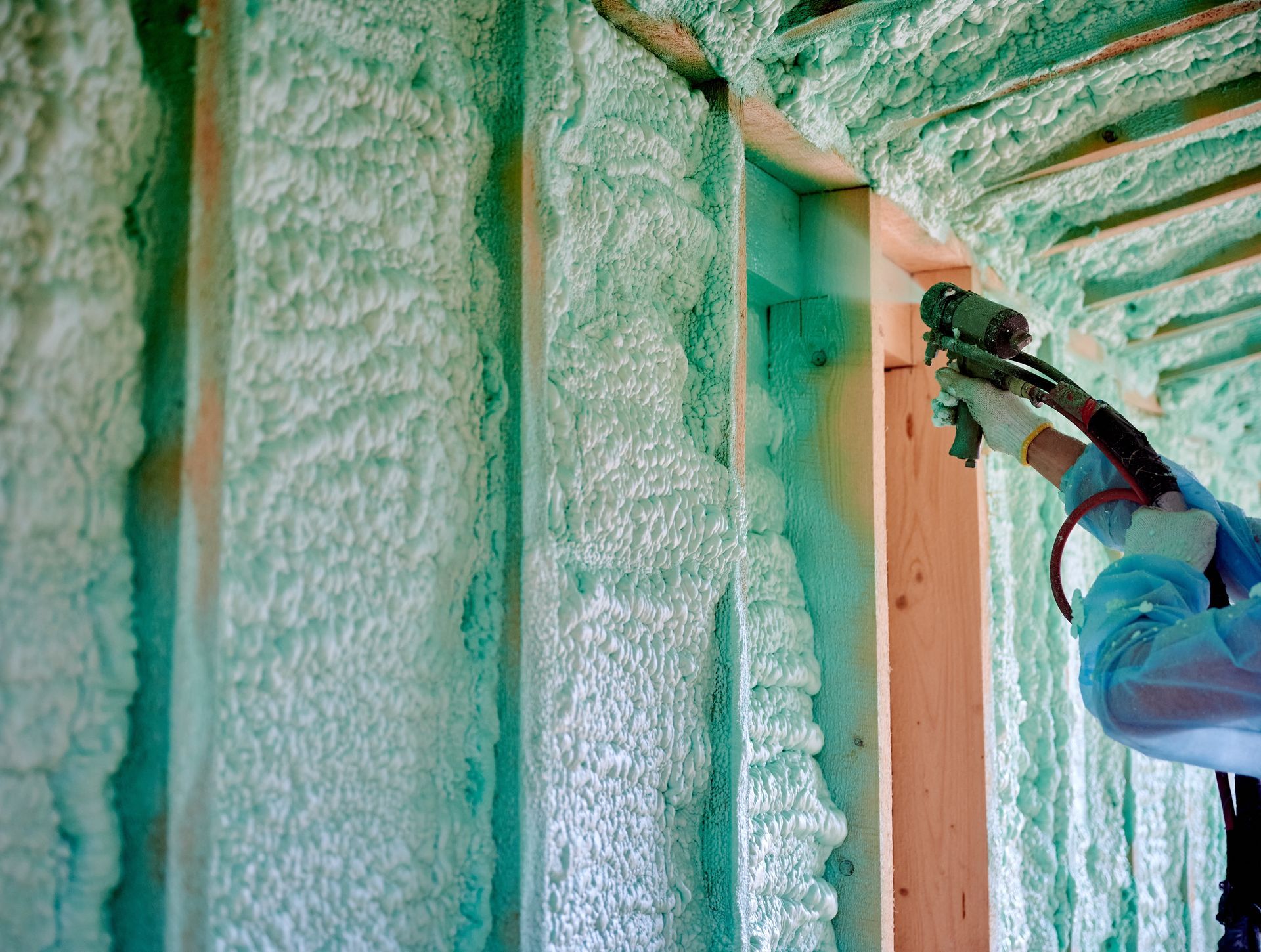
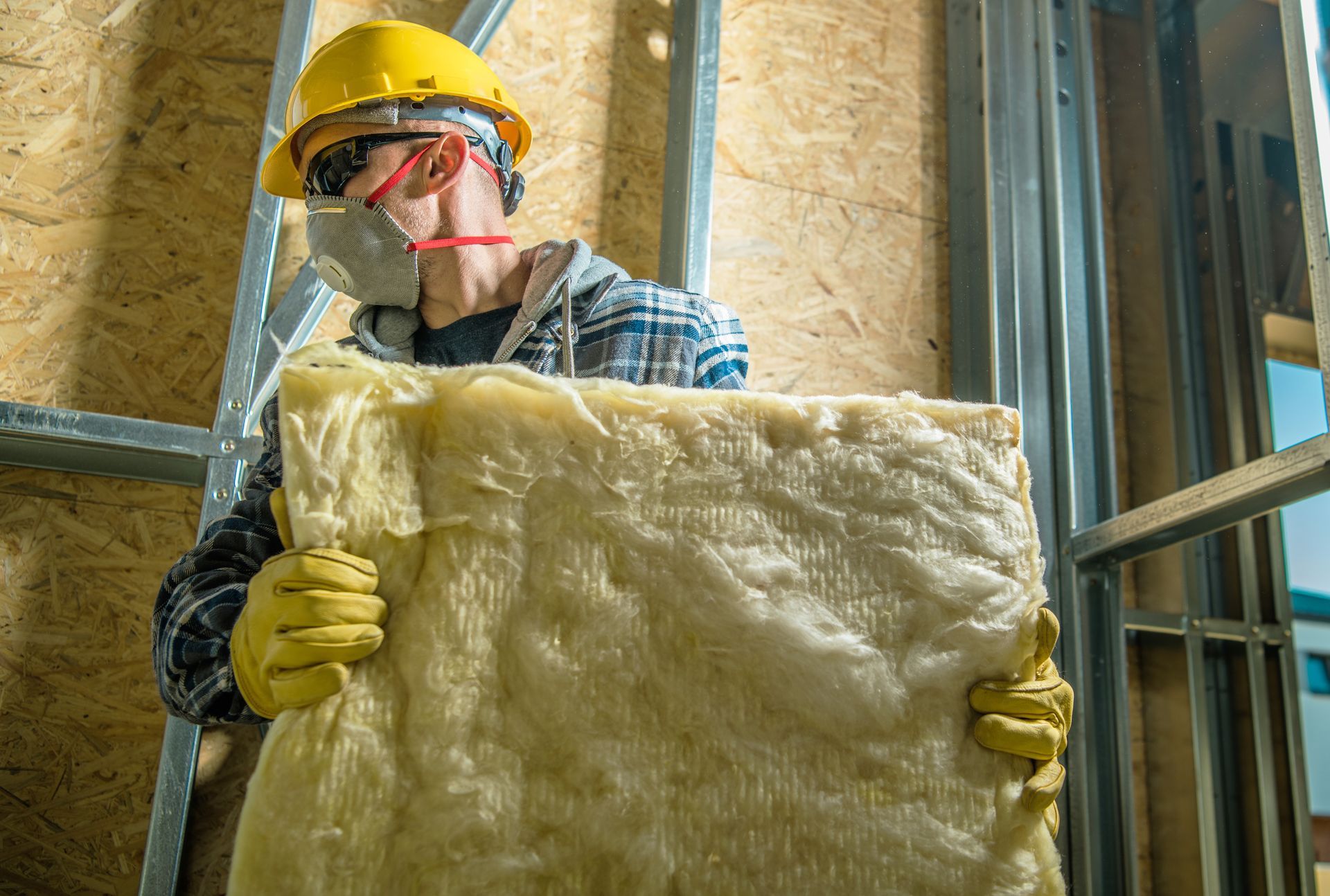
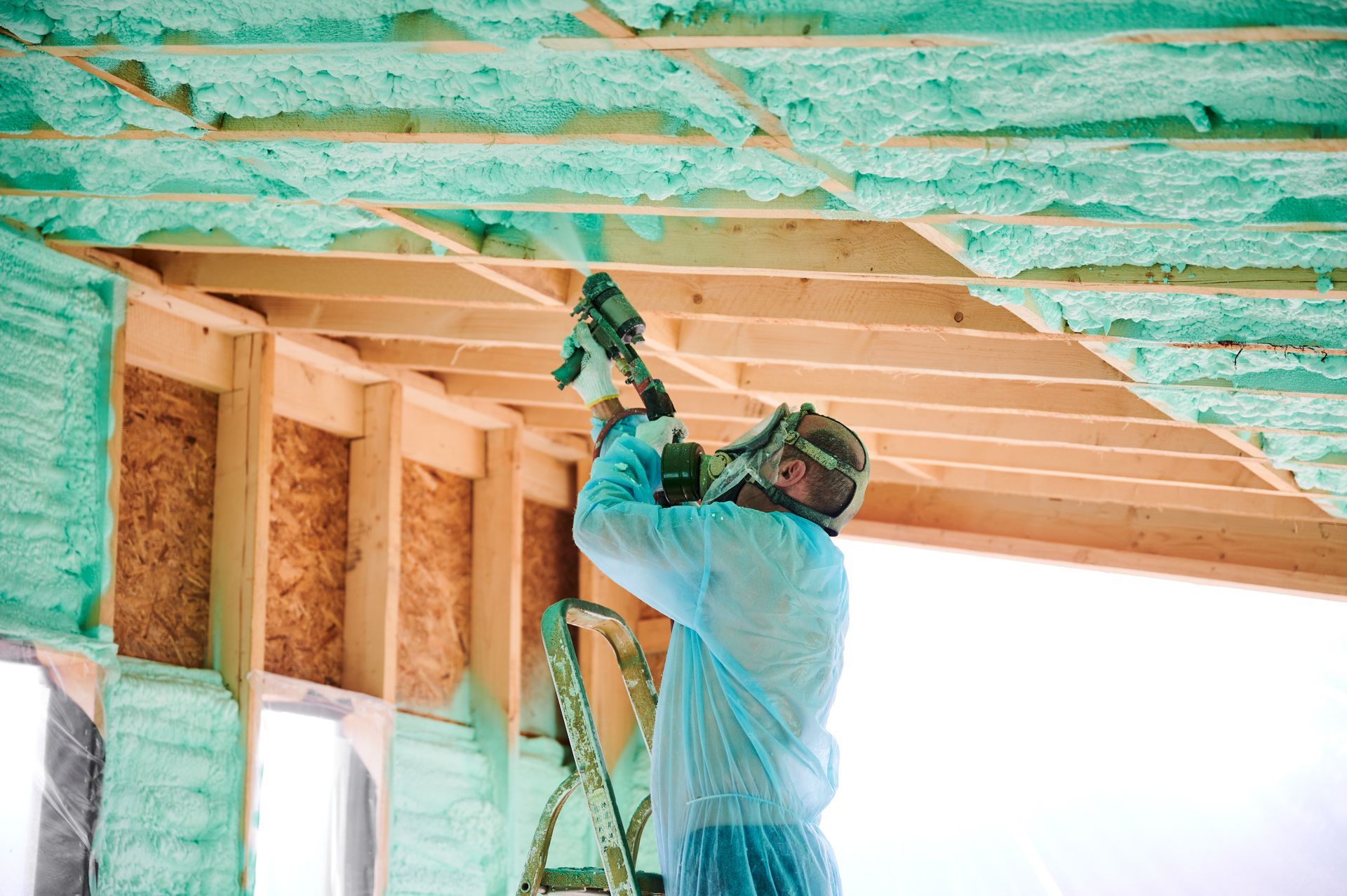
There are different types of insulation - spray foam, blown-in, and batt insulation. Each holds unique characteristics that directly impact its insulation properties and, consequently, your energy consumption.
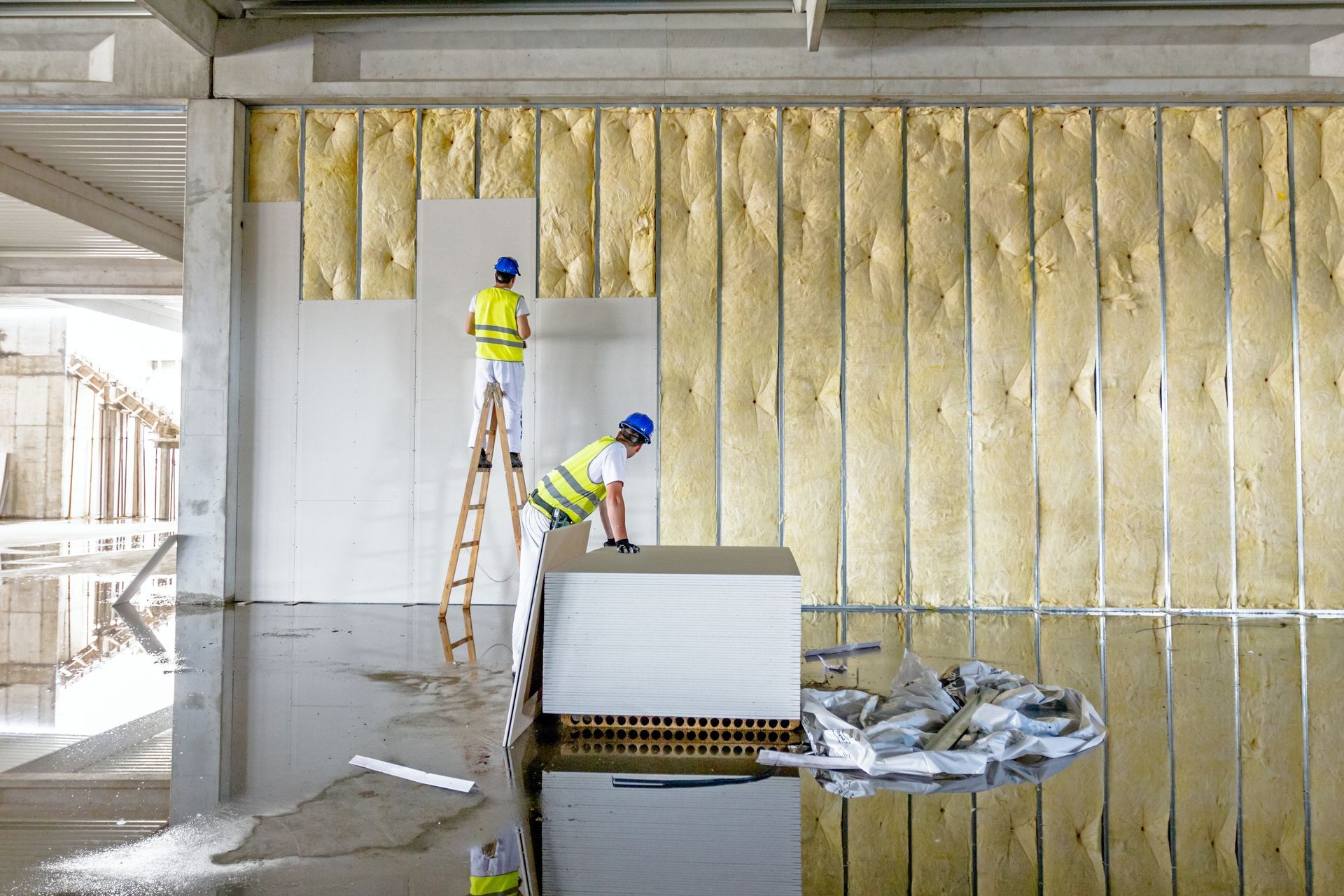
Spray foam insulation expands and tightly seals all nooks and crannies, making it an efficient insulator. On the other hand, blown-in insulation, made up of tiny bits of recycled material, offers an eco-friendly choice with remarkable insulating properties. Batt insulation is generally made of fiberglass and is the common choice among homeowners due to its cost-effectiveness and easy installation.
Properly installed insulation of any type can prove beneficial for energy savings.
Making the Right Choice: Insulation Upgrade
If your property is already insulated but you're still battling high energy bills, it might be time to inspect and possibly upgrade your insulation. Old insulation may not be as effective due to wear and tear over time. Thus, ensuring your insulation is in top-notch condition is critical to experiencing significant savings on your energy bills.
The upfront cost of proper insulation can sometimes discourage homeowners. However, it's essential to consider the long-term benefits it provides, such as a comfortable home environment and substantial savings on energy bills. Remember, insulation isn't an expense; it's an investment—one that pays you back by significantly reducing your energy bills.
Make a wise choice today by getting in touch with Greenshield Insulation. Our team of dedicated specialists provides customized insulation solutions that not only reduce energy bills but also minimize environmental impact. Let us transform your space into an energy-efficient haven. Contact us today for a comprehensive energy audit or to discuss your insulation needs.
Share This Blog