Radiant Barriers in California: Separating Fact from Marketing Fiction
Foil products are heavily marketed across the state as a miracle cure for hot homes and high utility costs. While reflective materials do serve a legitimate purpose in building science they are rarely the standalone solution aggressive salespeople claim them to be. At Greenshield Insulation we prefer to give homeowners the unvarnished truth about thermal dynamics. Facing the radiant barrier insulation reality protects your wallet from exaggerated promises.
A radiant barrier works by reflecting thermal radiation away from your living space rather than absorbing it. This is highly effective at reducing heat gain in attic ductwork but it cannot replace the need for physical mass on your ceiling floor. Many residents pay top dollar for foil wraps expecting massive drops in their energy bills only to be severely disappointed. Setting realistic expectations ensures you invest your budget where it actually matters.
What We Cover:
- How Reflective Foil Actually Performs
- The Overestimation of Standalone Barriers
- Getting Real Results with Combined Systems
- Frequently Asked Questions
How Reflective Foil Actually Performs
Radiant barriers are designed to target radiant heat transfer specifically. When intense sunlight bakes your roof the shingles transfer that intense energy straight down into the open attic space. Foil products strategically installed under the roof line reflect a significant portion of this downward radiation back toward the exterior. This process keeps the physical air inside the attic noticeably cooler which reduces the thermal stress on your air conditioning equipment. Houses in Milpitas and surrounding neighborhoods benefit greatly from this technology when it is applied correctly.
→ A quick tip to remember: Reflective barriers only work when installed with an adjacent air space to bounce the heat across.
The Overestimation of Standalone Barriers
The most common overestimation property owners make is believing a radiant barrier eliminates the need for traditional mass insulation. Sales pitches often imply that stapling shiny foil to your rafters will instantly solve all your comfort issues and slash your utility bills to zero. The truth is that foil does absolutely nothing to stop conductive heat loss during cooler months. It also completely fails to stop conditioned indoor air from escaping through ceiling cracks into the attic. Without standard thermal materials on the attic floor the foil wrap alone is essentially useless for whole home comfort.
Delivering clear explanations rather than marketing hype is a pattern the team at Greenshield Insulation hears regularly.
► Client Experience: I had my attic insulation replaced and got my interior/exterior walls insulated with Greenshield. Abbas gave me a good quote and clearly explained the process and what I could expect. His crew was professional, respectful, and competent. They got the job done in the expected time. No complaints, would wholeheartedly recommend Greenshield.
Honest conversations about what products actually accomplish lead to lasting comfort and satisfied property owners.
Getting Real Results with Combined Systems
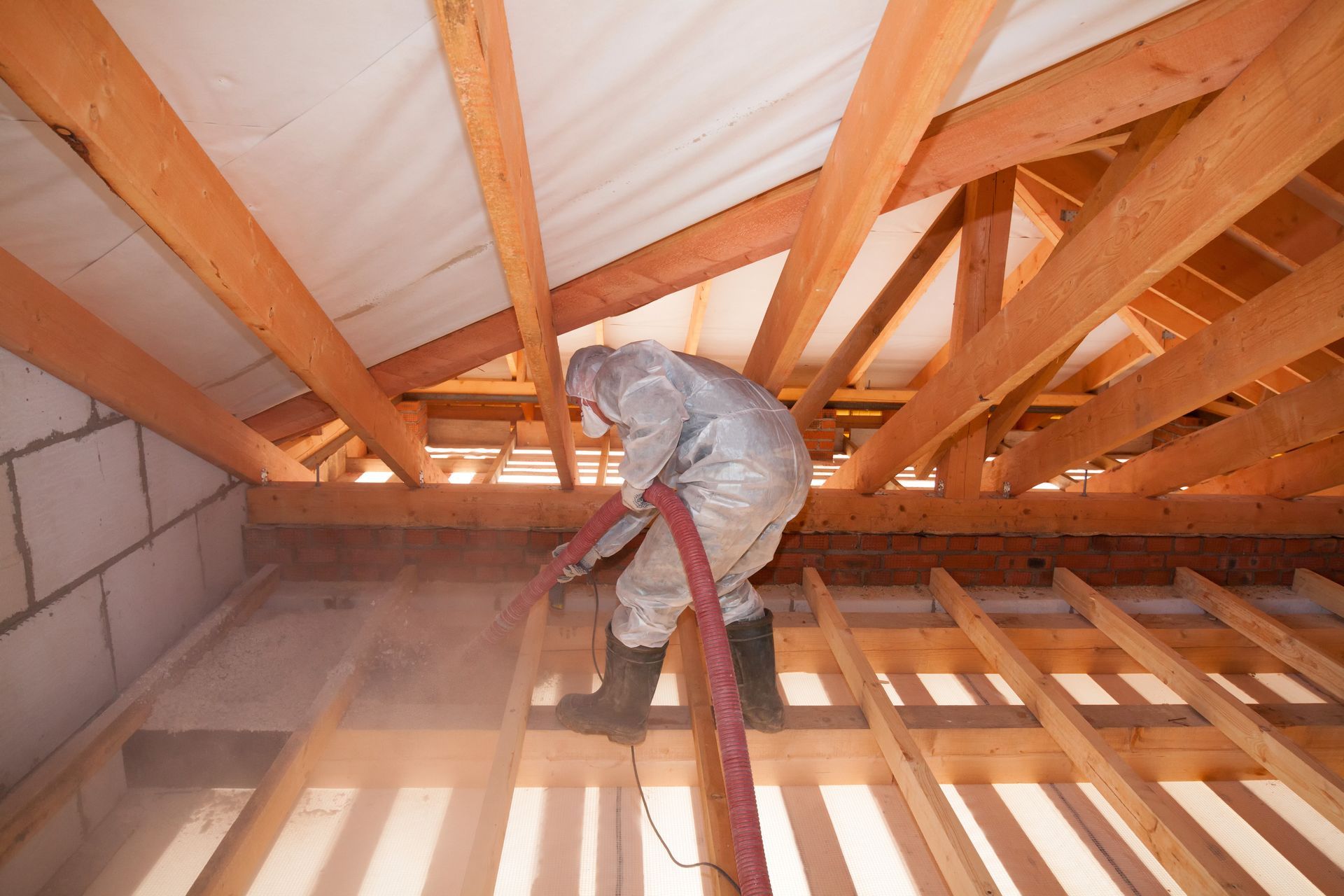
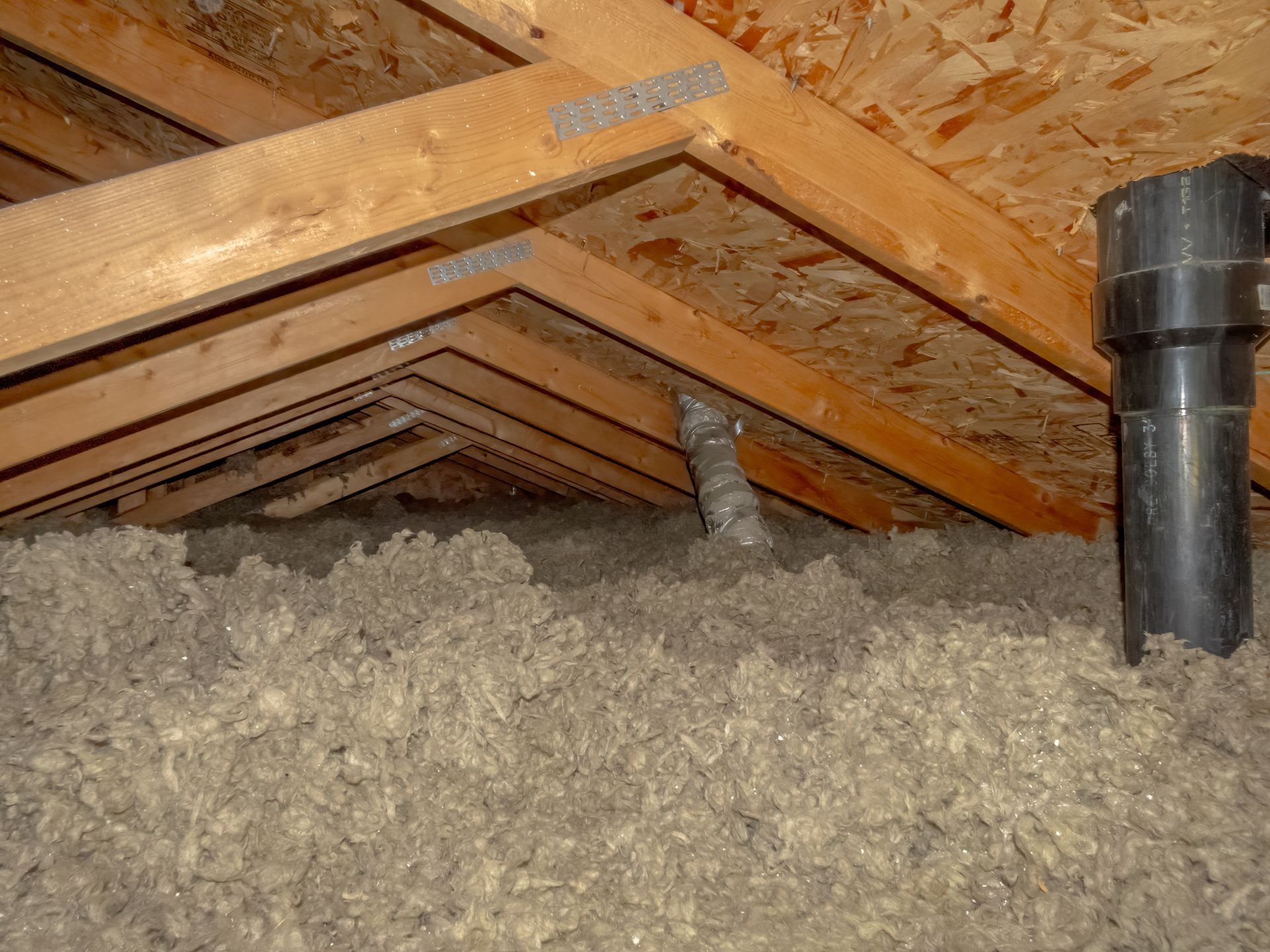
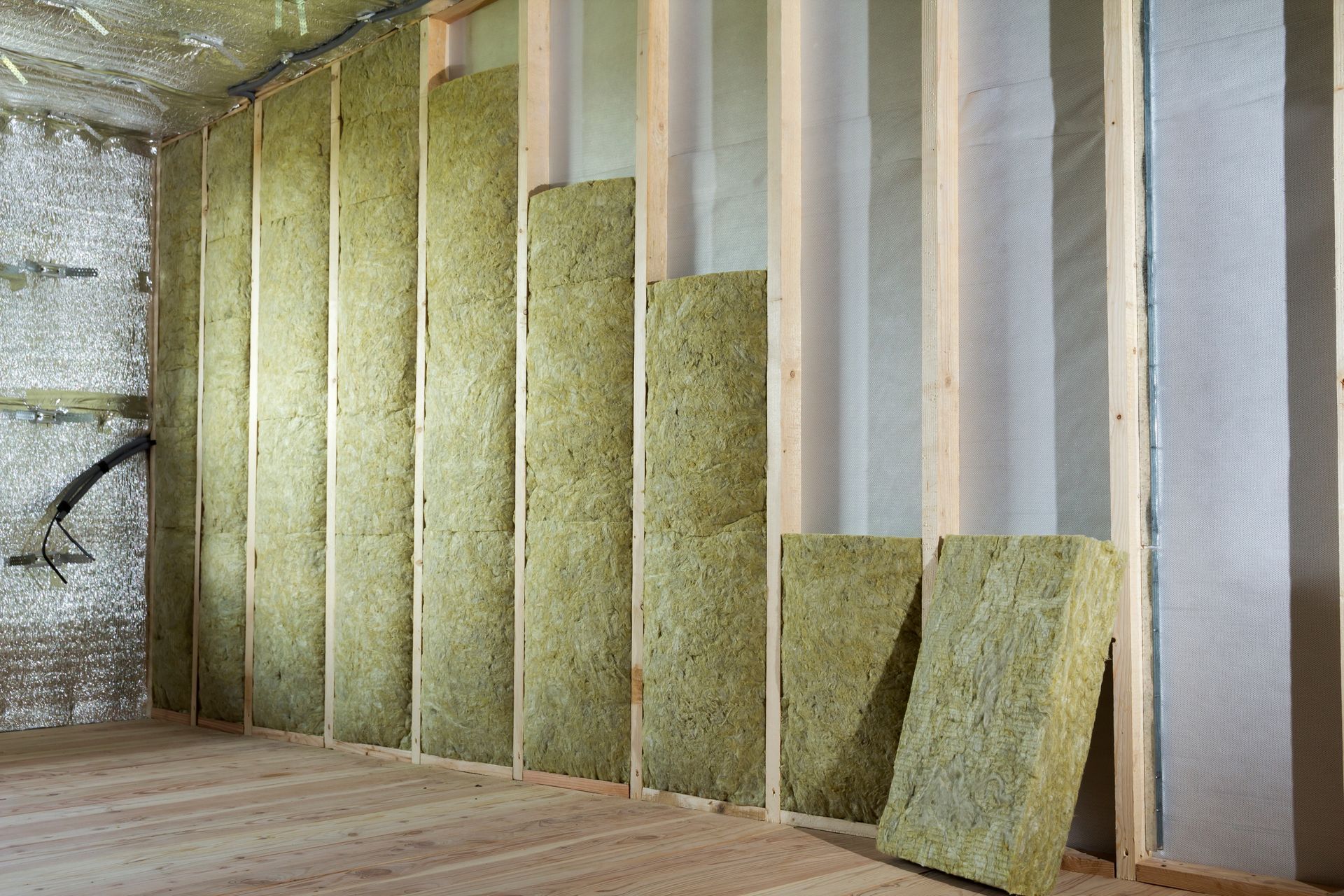
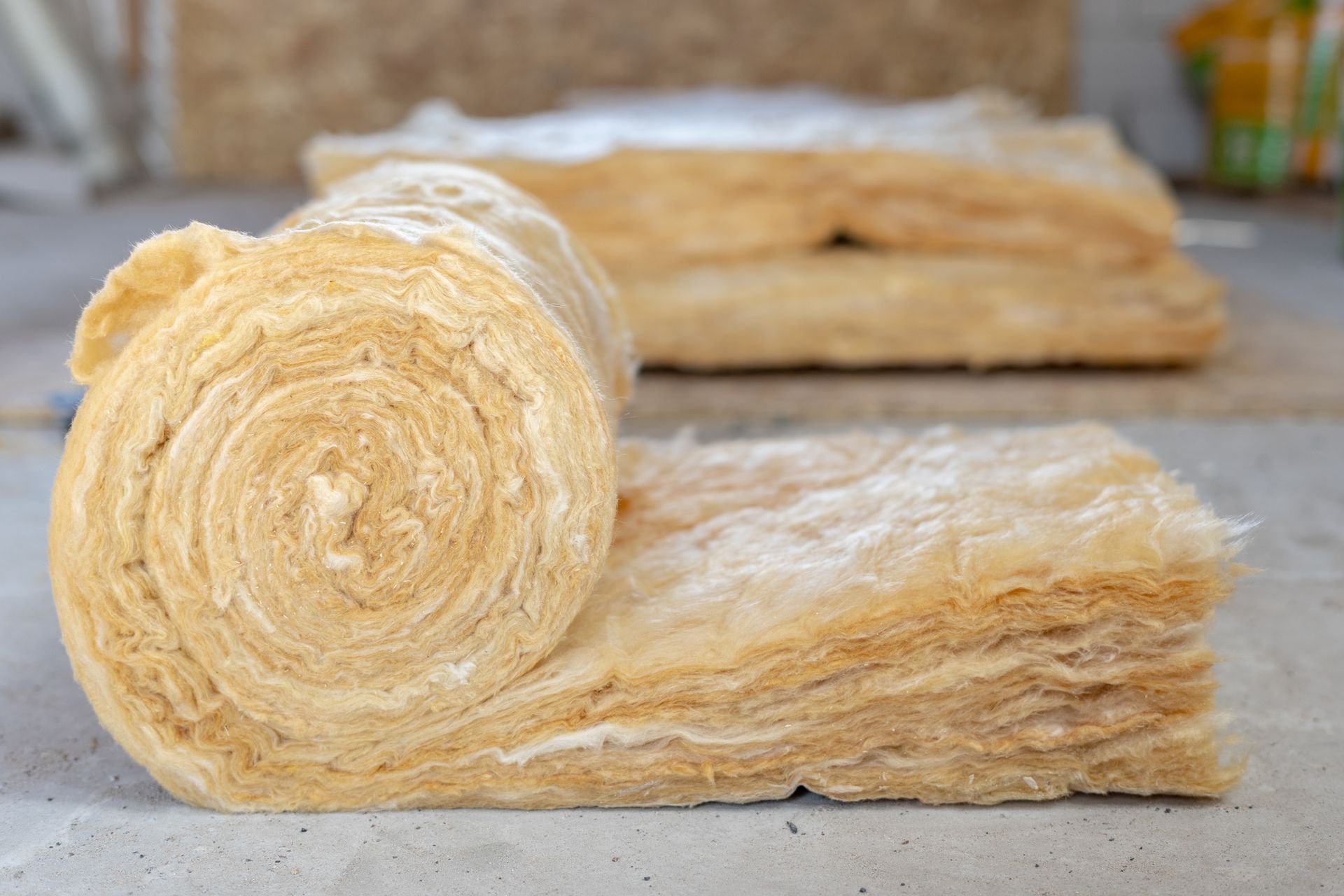
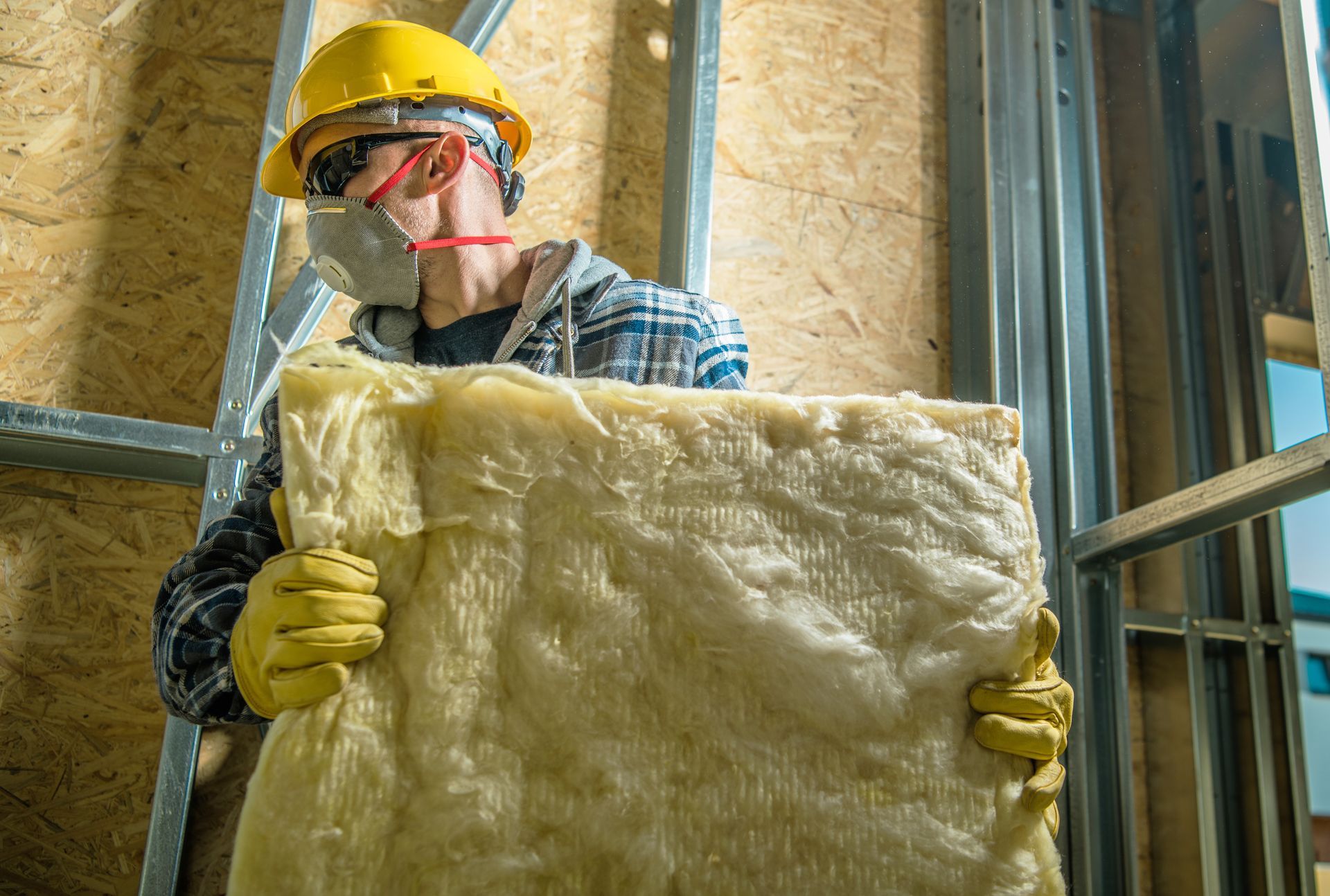
To achieve genuine energy savings a radiant barrier must be permanently paired with conventional thermal boundaries. The foil handles the intense overhead radiation while thick blown materials stop the physical transfer of warm and cold air between your rooms and the roof. We frequently recommend combining reflective technology with heavy fiberglass batts or blown cellulose to create a robust climate envelope. This multi layered approach tackles all three types of heat transfer simultaneously for maximum efficiency.
→ From a professional standpoint: Investing in proper air sealing and heavy fiberglass will always yield a higher return than installing a standalone foil barrier.
Frequently Asked Questions
Do radiant barriers actually lower energy bills?
Yes but the reduction is typically much smaller than glossy marketing brochures suggest. A properly installed foil barrier might reduce cooling costs by five to ten percent depending on your roof exposure. The real mechanical benefit is decreasing the workload and runtime on your air conditioning equipment rather than slashing your monthly statement in half.
Can a radiant barrier cause roof shingle damage?
This is a common myth that professional building scientists have thoroughly debunked over decades of testing. While the foil does reflect thermal energy back toward the roof deck the actual temperature increase on the asphalt shingles is entirely negligible. Standard roofing materials are heavily engineered to withstand extreme surface temperatures without baking or degrading prematurely.
How does dust affect reflective insulation?
Dust accumulation is the absolute silent killer of reflective performance in any home. If foil is simply laid flat on top of the attic floor dirt will eventually cover the shiny surface and destroy its physical ability to reflect heat. This reality is exactly why our installation crews always staple the barrier directly to the underside of the roof rafters facing downward.
Make Informed Insulation Decisions
Understanding the exact physics of reflective materials prevents you from falling for expensive gimmicks and inflated claims. Your house requires a strategic combination of mass and reflection to truly control the indoor climate year round. Reach out to our crew to schedule an honest evaluation of your structural framing and discover what thermal upgrades will actually work.
Share This Blog