Hosting for Labor Day? Solving Sound Transfer with Wall Insulation
As late summer approaches and Labor Day gatherings get onto the calendar many homeowners realize their living spaces lack acoustic privacy. When multiple conversations and kitchen noises travel freely between rooms the house can feel chaotic instead of welcoming. At Greenshield Insulation we see this issue frequently in older and newer builds alike across the region. Upgrading your interior wall insulation is the most effective way to separate active entertainment zones from quiet bedrooms.
Standard drywall alone does very little to stop sound wave transmission throughout a busy house. Without dense material inside the structural cavities hollow walls essentially act like drums amplifying every footstep and voice. We solve this by adding targeted density to the interior partitions blocking airborne noise before it reaches adjacent rooms. Getting this sorted now means your upcoming holiday events remain enjoyable for everyone under your roof.
What We Cover:
- The Reality of Hollow Construction
- The Limits of Surface Level Fixes
- How Dense Packing Solves Airborne Sound
The Reality of Hollow Construction
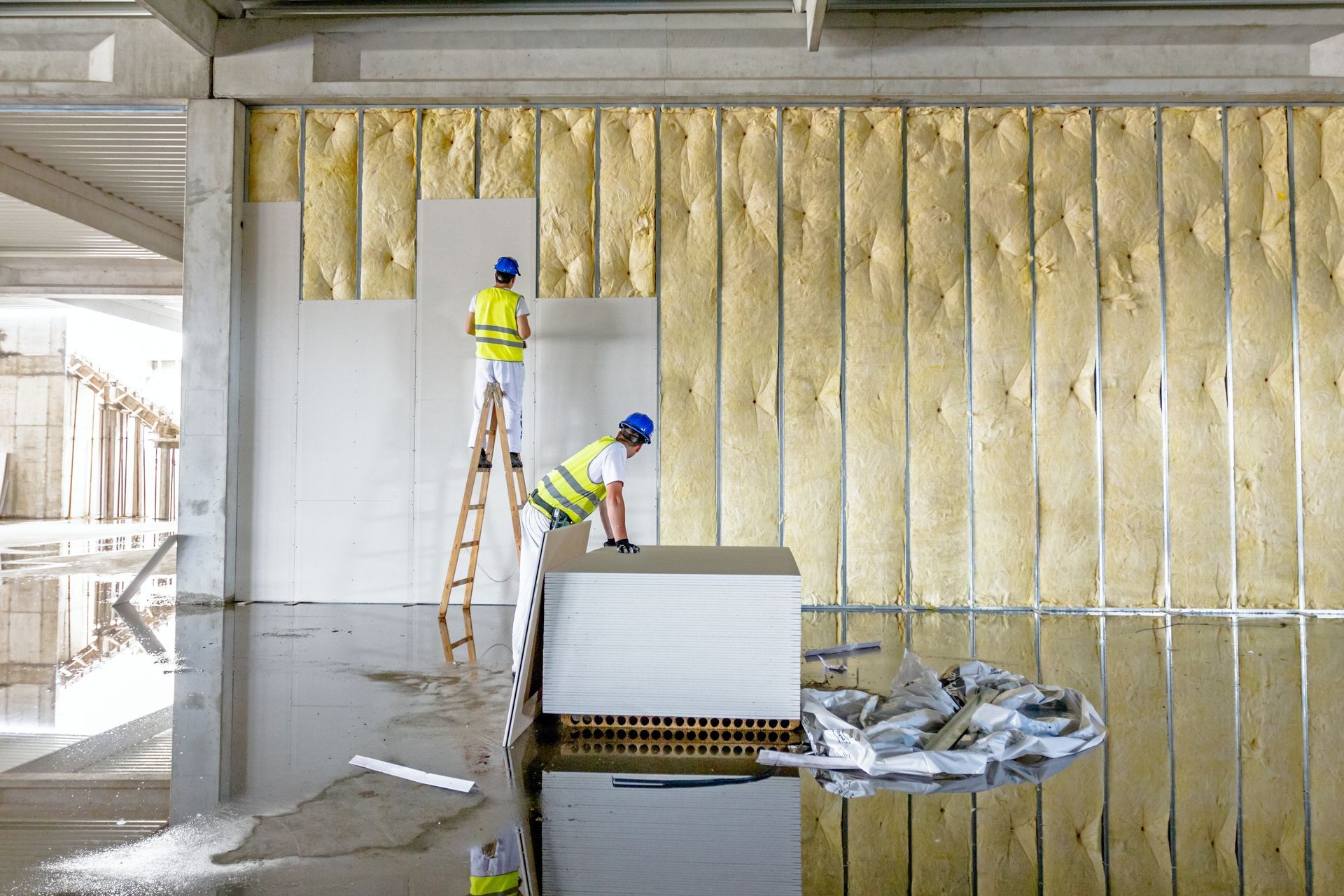
Most interior walls are built strictly for visual separation rather than acoustic control. Builders leave the stud bays empty because interior insulation is rarely mandated by standard building codes. Sound waves hit the drywall on one side and easily resonate through the empty cavity to the opposite side. This is why you can hear television dialogue from the living room perfectly clearly in the guest bedroom.
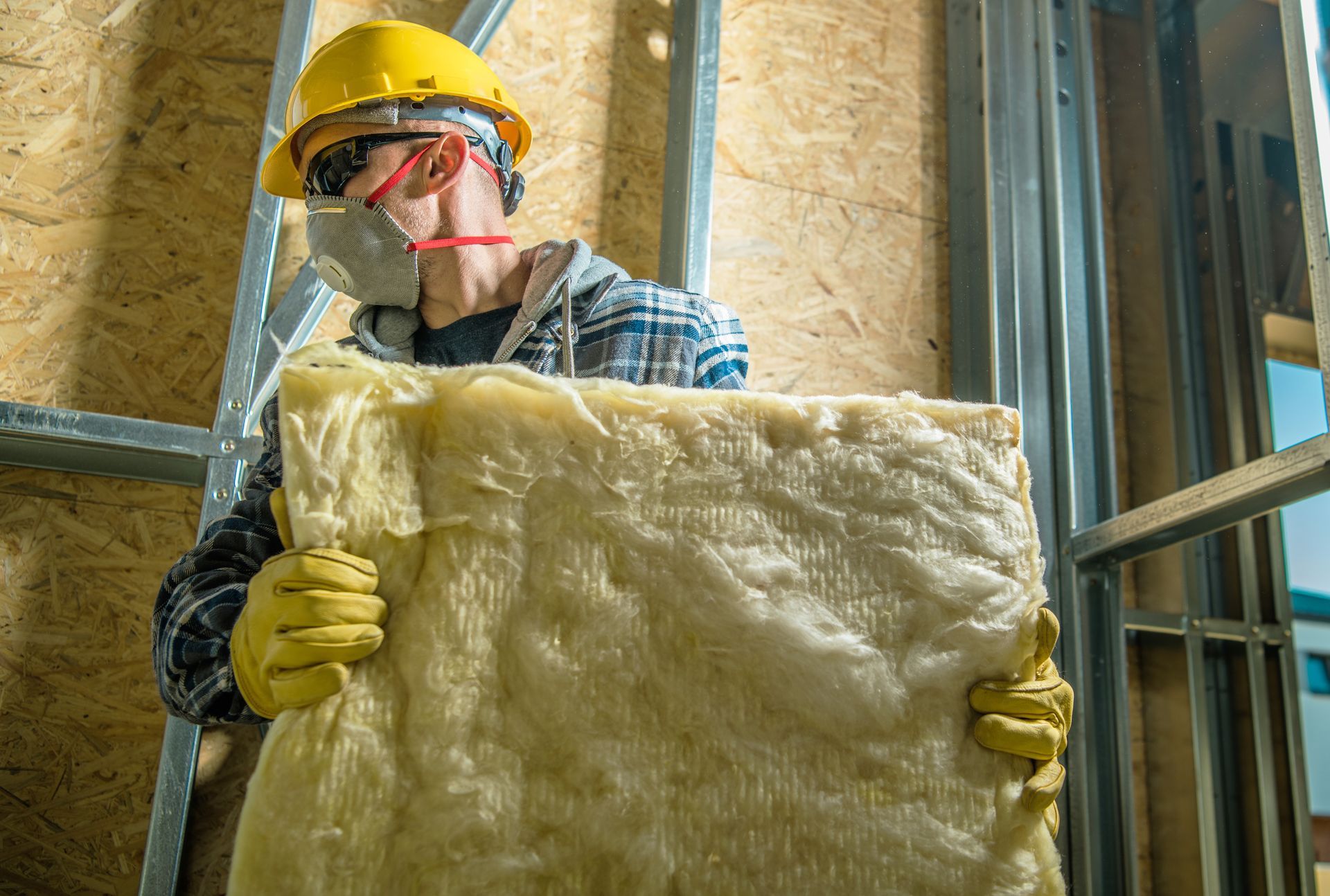
Adding mass inside these structural voids absorbs the acoustic energy before it transfers through the wood framing. We often find that homes in Santa Clara and surrounding neighborhoods suffer from this exact construction oversight. Dense acoustic materials trap the sound waves and convert them into harmless friction deep within the wall structure.
→ A quick tip to remember: Structural sound control requires adding mass inside the wall cavity rather than hanging decorative panels on the outside.
The Limits of Surface Level Fixes
Homeowners often try to dampen noise by adding thick curtains or acoustic foam panels to their bedroom walls. These DIY attempts commonly make the situation worse by cluttering the room without addressing the actual route of sound transmission. Surface treatments only reduce minor echoes within the room itself and completely fail to stop low frequency noises from traveling straight through the drywall. Buying expensive acoustic wallpaper does nothing to fix the empty drum sitting between your studs.
True soundproofing requires addressing the empty cavity between the framing members. Without tackling that empty space any money spent on superficial foam is wasted on a cosmetic fix. A professional approach involves injecting dense material directly into the wall cavity to permanently break the sound pathway.
This exact frustration with noise transfer is a pattern the team at Greenshield Insulation hears regularly from local clients.
► Client Experience: Working with Greenshield was a great experience from start to finish. Booking the attic insulation was straightforward, and the pricing was great. The installers were courteous, organized, and respectful of my home, which made a big difference to me. After seeing the results, I hired them again a few months later to insulate the exterior and interior walls for sound control. The improvement was immediate noise from the other bedrooms is no longer an issue like it was before. On top of that, my heating costs have dropped noticeably since the work was completed. I honestly wish I had done this sooner. I’m going to recommend this company to my friends and family.
This immediate reduction in room to room noise is exactly what correct density applications achieve for any household.
How Dense Packing Solves Airborne Sound
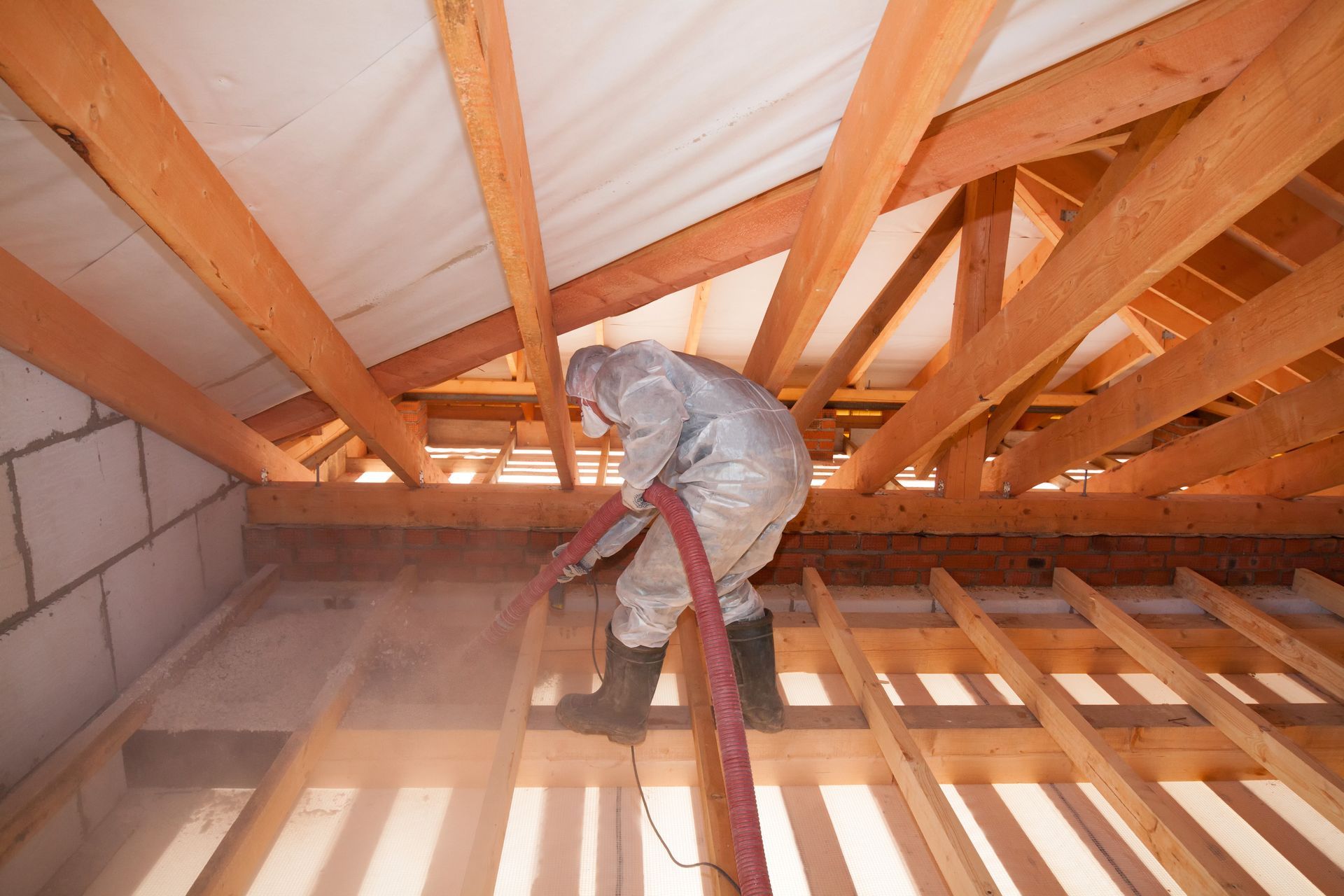
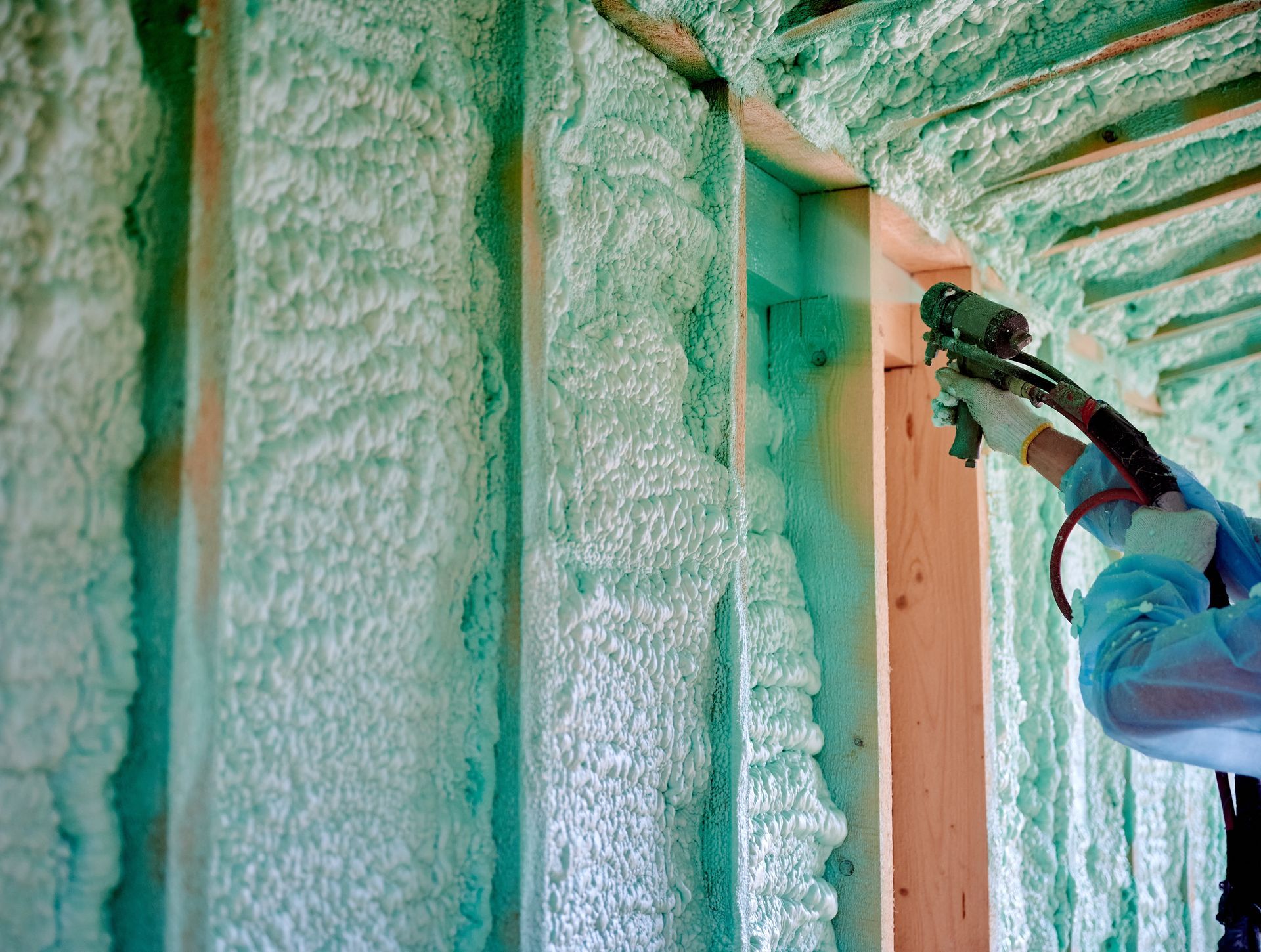
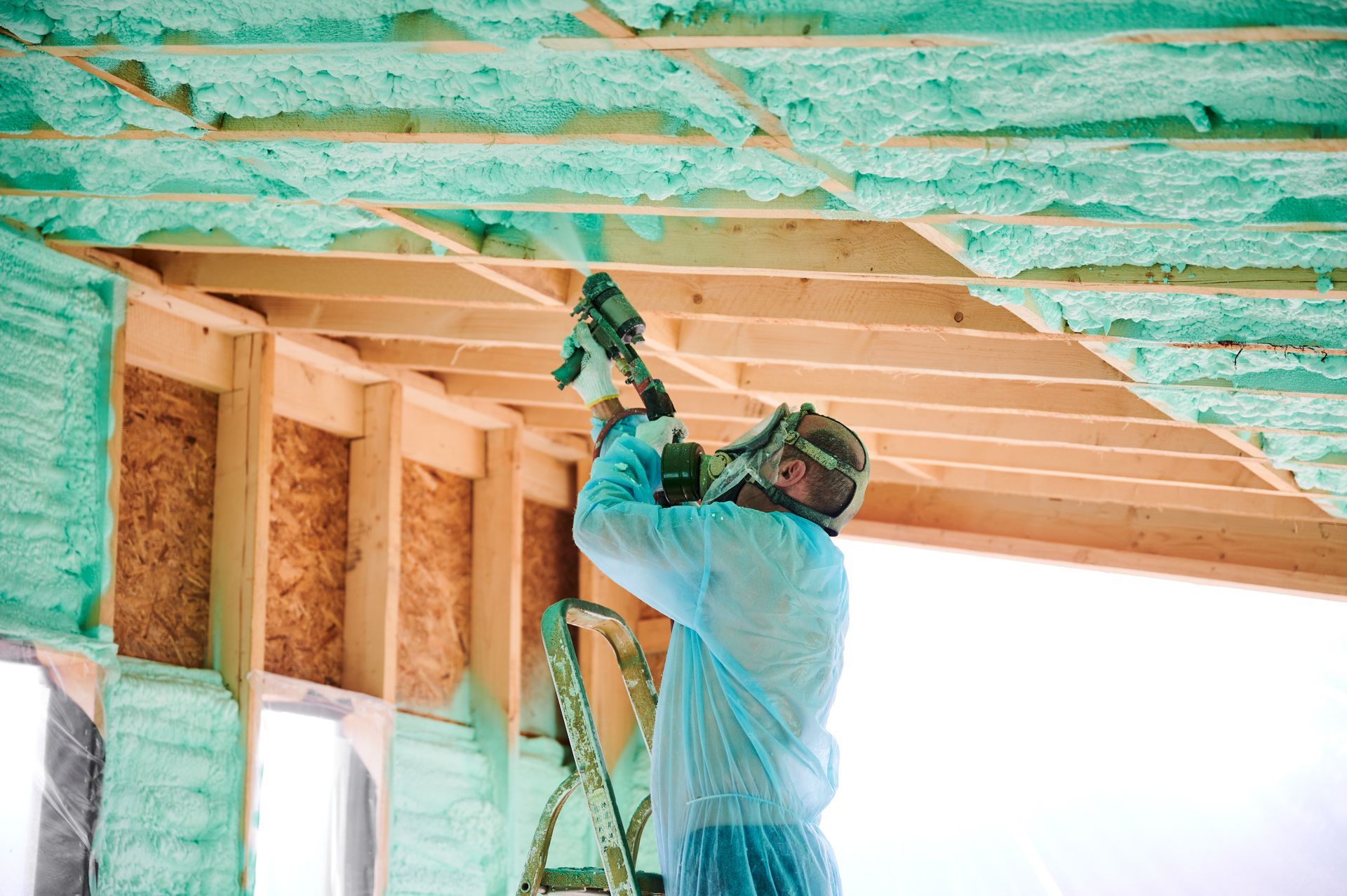
Filling the empty stud bays with dense material drastically alters how the structural wall handles vibration. The installed material acts as a massive shock absorber for sound waves trying to pass from the living room to the quiet spaces. Our crews inject the material under high pressure to ensure no empty pockets remain near the ceiling top plates.
Does internal wall insulation reduce noise?
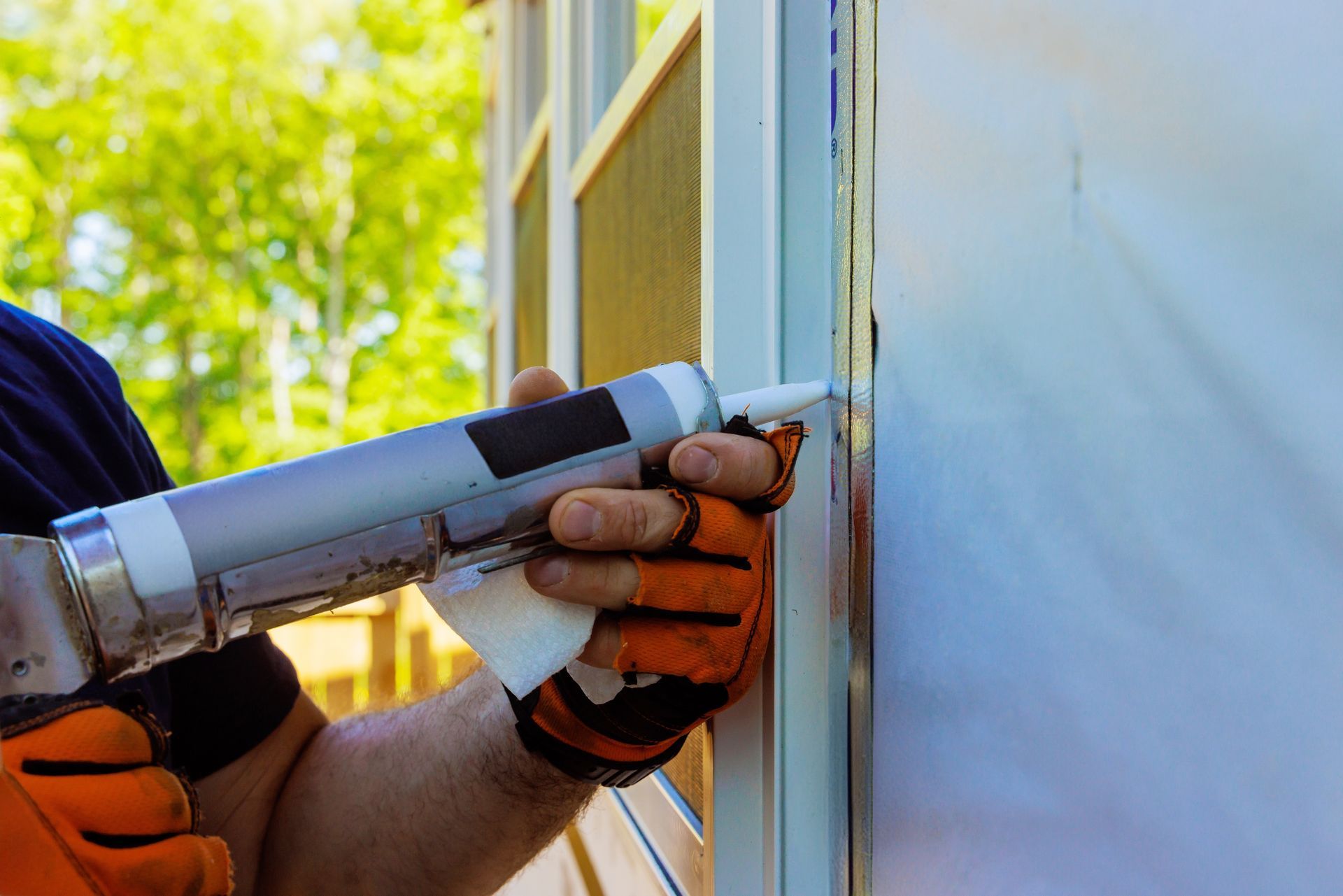
Yes internal wall insulation significantly reduces noise by eliminating the hollow echo chamber effect between rooms. When professionals pack the wall cavity tightly the heavy density blocks both airborne sounds like talking and structural vibrations from appliances. The results provide a noticeable acoustic buffer that makes a busy house feel far more peaceful and private. Pairing this process with targeted air sealing around plumbing penetrations stops sound from sneaking through small hidden gaps.
→ From a professional standpoint: The tighter the cavity is packed with acoustic material the better the sound absorption performance will be over the long term.
Ready Your Home for Guests
Securing acoustic privacy changes how you experience your own house especially when hosting family for a long weekend. We handle the dense packing installation cleanly and quickly so you can get back to planning your holiday events. Contact our team to discuss which interior walls need professional attention before your guests arrive.
Share This Blog