Before You Book: The Unvarnished Truth About Blown Insulation Settling
Upgrading your attic with loose fill material is one of the smartest ways to control indoor temperatures. However many homeowners are surprised to learn that the depth of the material installed on day one will not be the same depth a year later. At Greenshield Insulation we believe in being completely upfront about how materials behave over the long haul. Understanding the reality of blown insulation settling ensures you get exactly what you pay for.
All loose fill materials lose some volume over time due to gravity and natural vibrations in the framing. Unscrupulous contractors often quote a high initial depth without accounting for this expected drop in thickness. We calculate the final settled depth to guarantee your home maintains its targeted thermal resistance permanently. Knowing the facts before you book helps you evaluate estimates accurately and avoid being shortchanged on material.
In This Article:
- The Physics of Material Volume Loss
- Contractor Red Flags to Watch For
- Essential Questions to Ask Before Booking
The Physics of Material Volume Loss
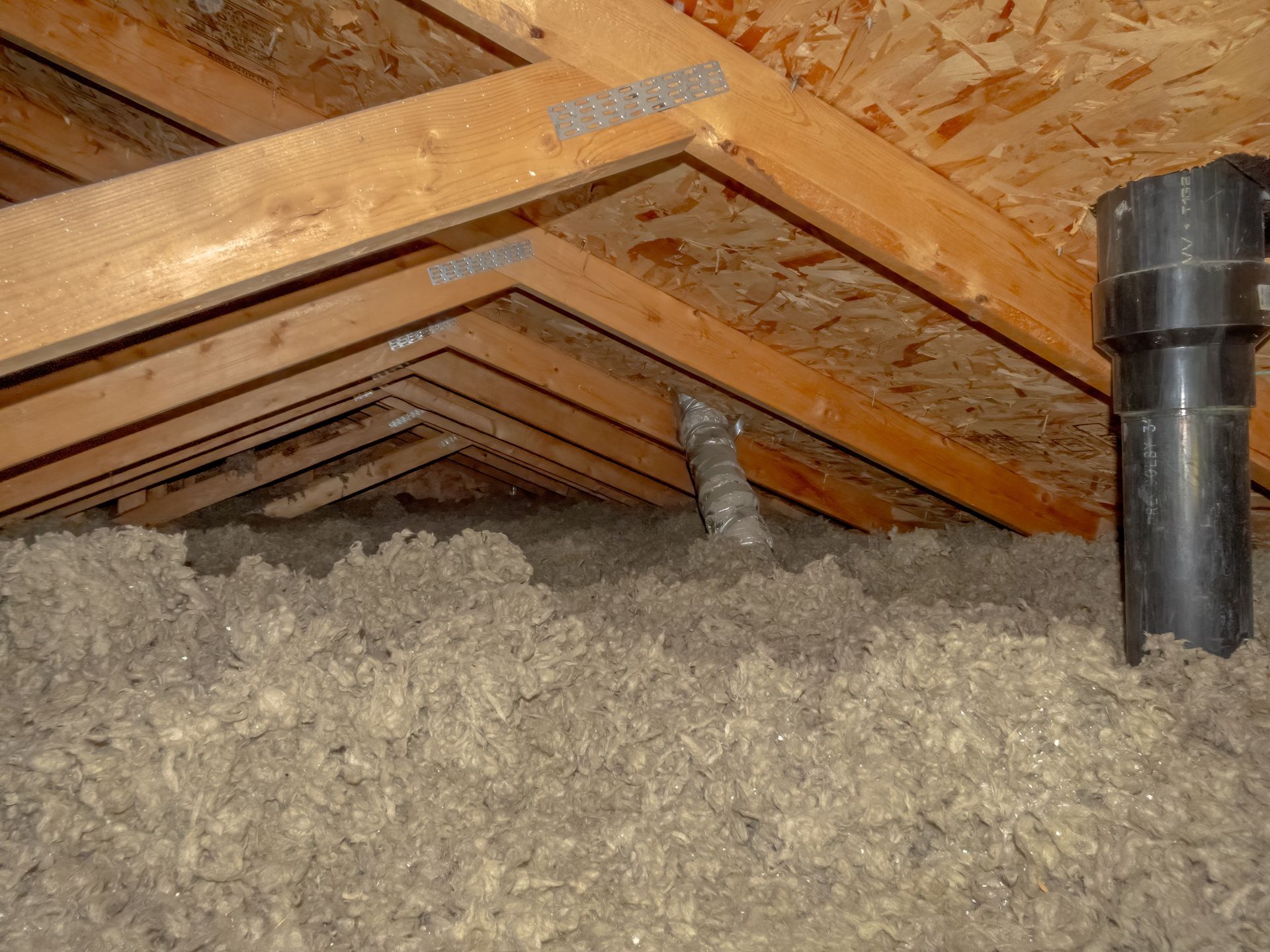
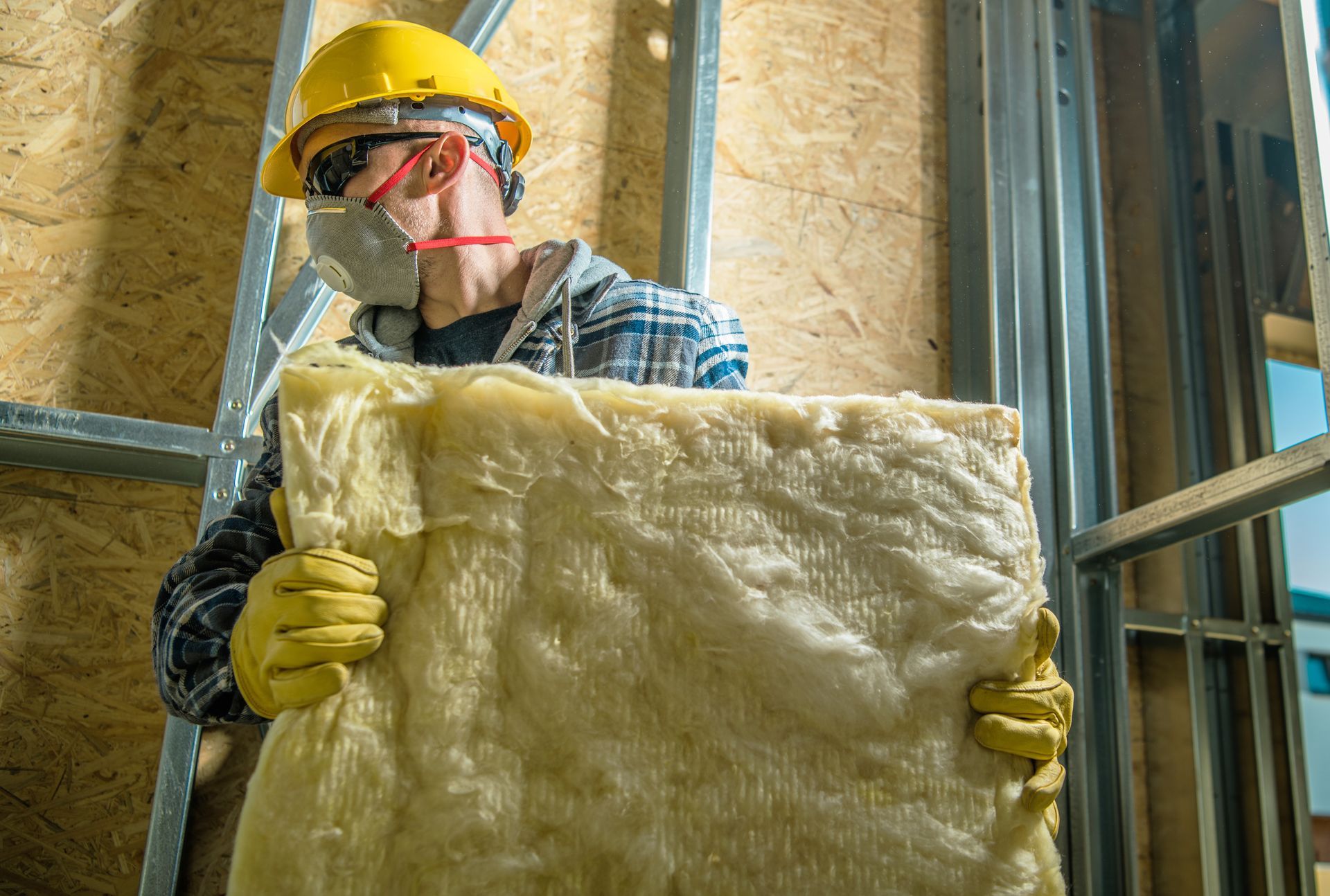
Blown materials consist of millions of tiny fibers creating microscopic air pockets that trap thermal energy. Immediately after the blowing machine pushes these fibers into your attic they sit incredibly fluffy and tall. Over the next twelve months basic gravity and the natural structural vibrations of a busy house compress these fibers downward. This volume loss is a standard physical reality across properties in Mountain View and the wider region. The structural integrity of the material remains completely intact but the physical height inevitably drops.
What is the settling rate of blown in cellulose insulation?
Cellulose is an excellent product but it carries a noticeably higher settling rate than standard loose fiberglass. You can expect blown cellulose to settle by about fifteen to twenty percent within the first year after installation. Professional installers must deliberately overfill the cavity to ensure the final resting depth meets the required thermal code. A contractor who ignores this physical reality is leaving your home severely under-insulated.
Contractor Red Flags to Watch For
Evaluating an estimate requires looking closely at how a company calculates their material volumes. We regularly inspect homes where the previous installer clearly cut corners by underfilling the space. Protect your investment by watching out for these specific warning signs during the bidding process.
• Vague Depth Promises: Be wary of quotes that only list the number of bags used rather than the final settled depth in inches.
• Missing Baffles: Proper installation requires rigid physical barriers to prevent loose material from sliding down and blocking your vital soffit vents.
• Skipped Preparations: High quality results require targeted air sealing around ceiling penetrations before any blowing begins.
This level of honest communication and thorough installation is something our clients notice firsthand.
► Client Experience: Fantastic job done for my blown in insulation. We recently opened a perimeter wall for remodeling and found the insulation being dense and well filled into every gap. Communication was easy. Price was extremely fair.
Properly filling every void guarantees the material performs correctly even after natural settling occurs.
Essential Questions to Ask Before Booking
You should feel entirely confident in the scope of work before signing any agreement. Asking pointed questions forces a contractor to explain their specific methodology and reveals their level of trade expertise. Hold any potential installer accountable to these critical project details.
• Installed Vs Settled Depth: Ask exactly what thickness the crew will blow on day one to reach the final targeted thermal rating.
• Contamination Protocols: Confirm whether old or soiled materials require a dedicated attic insulation removal process before new product is added.
• Recessed Lighting Clearances: Verify how the team plans to box out or protect older heat generating light fixtures from direct contact with the fill.
Secure a Reliable Attic Upgrade
Reviewing quotes with these settling facts in mind puts you in the driver seat for your home improvement project. You deserve a team who calculates the true long term performance of your investment rather than just padding their profit margin. Contact our front office to schedule an honest roof inspection and secure an accurate material quote.
Share This Blog