The High Cost of Delay: Why Winter Air Sealing Upgrades Can't Wait
Dropping temperatures mean your heating equipment is about to start working overtime to maintain indoor comfort. At Greenshield Insulation we constantly see older homes bleeding expensive heat directly into the atmosphere through hidden structural gaps. Putting off upgrades leads to massive utility waste and uncomfortable drafty rooms all season long. Understanding the sheer winter air sealing urgency is the first step toward lowering your monthly overhead.
Heat naturally rises and seeks the path of least resistance out of your living space. Without a tight physical boundary all the warm air your furnace produces simply escapes through unsealed plumbing penetrations and recessed lighting fixtures. Taking action right now stops this thermal bypass before the coldest months hit. We break down the exact steps you need to take to secure your property and protect your wallet.
In This Article:
- Stage 1: Assess Your Structural Heat Loss
- Stage 2: Schedule Targeted Top Plate Sealing
- Stage 3: Protect Your Heating Budget
- Frequently Asked Questions
Stage 1: Assess Your Structural Heat Loss
The first phase of tackling your winter air sealing urgency involves diagnosing where the heat is actually leaving the building. Homeowners in Sunnyvale can perform a few basic checks to identify the worst structural offenders.
• Track Drafts: Pay close attention to cold air moving around ceiling fixtures utility chases and attic access doors when the wind blows outside.
• Monitor Equipment Cycles: Listen to how often your furnace kicks on during a moderately chilly evening to gauge how quickly the house loses heat.
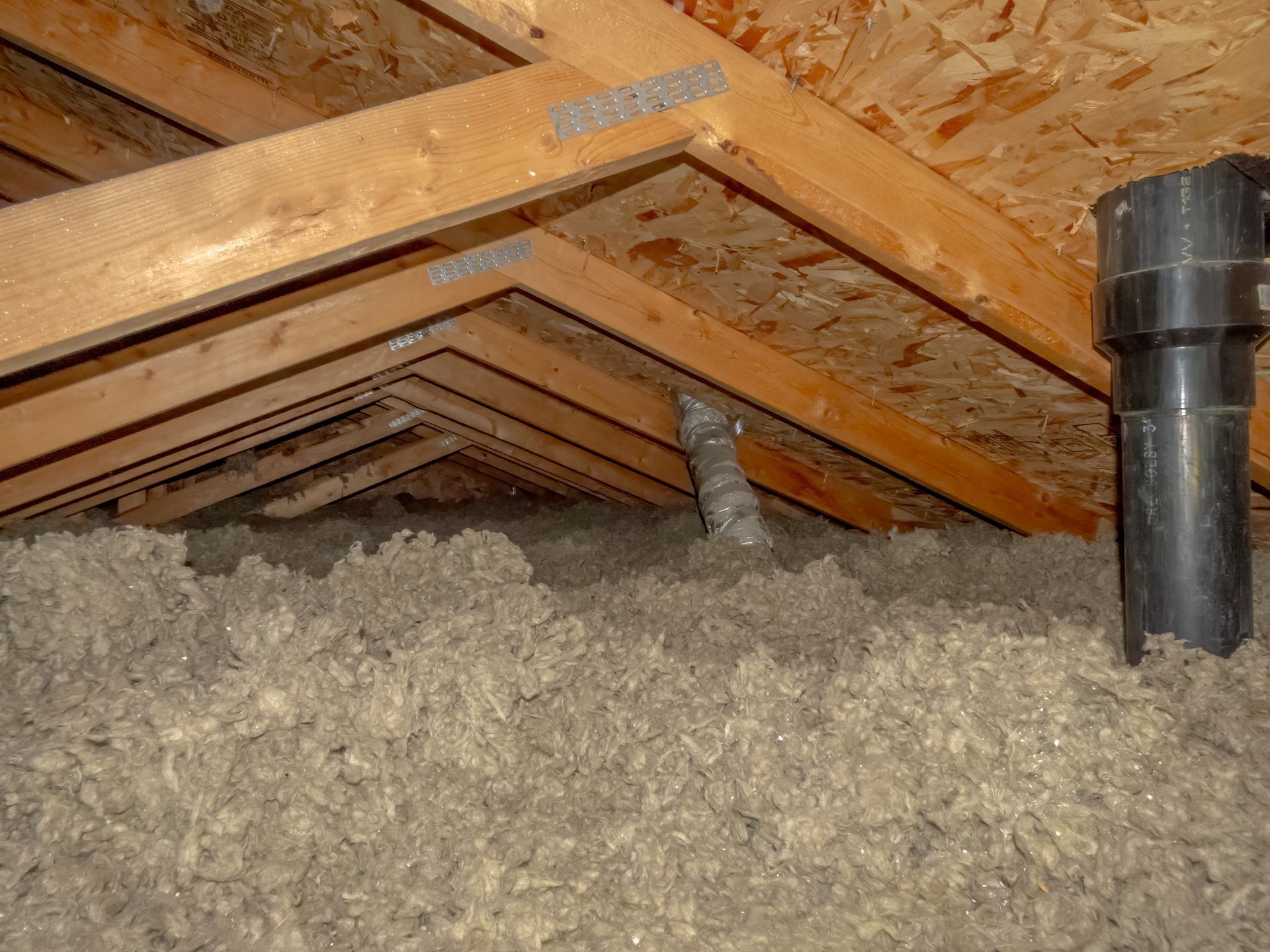
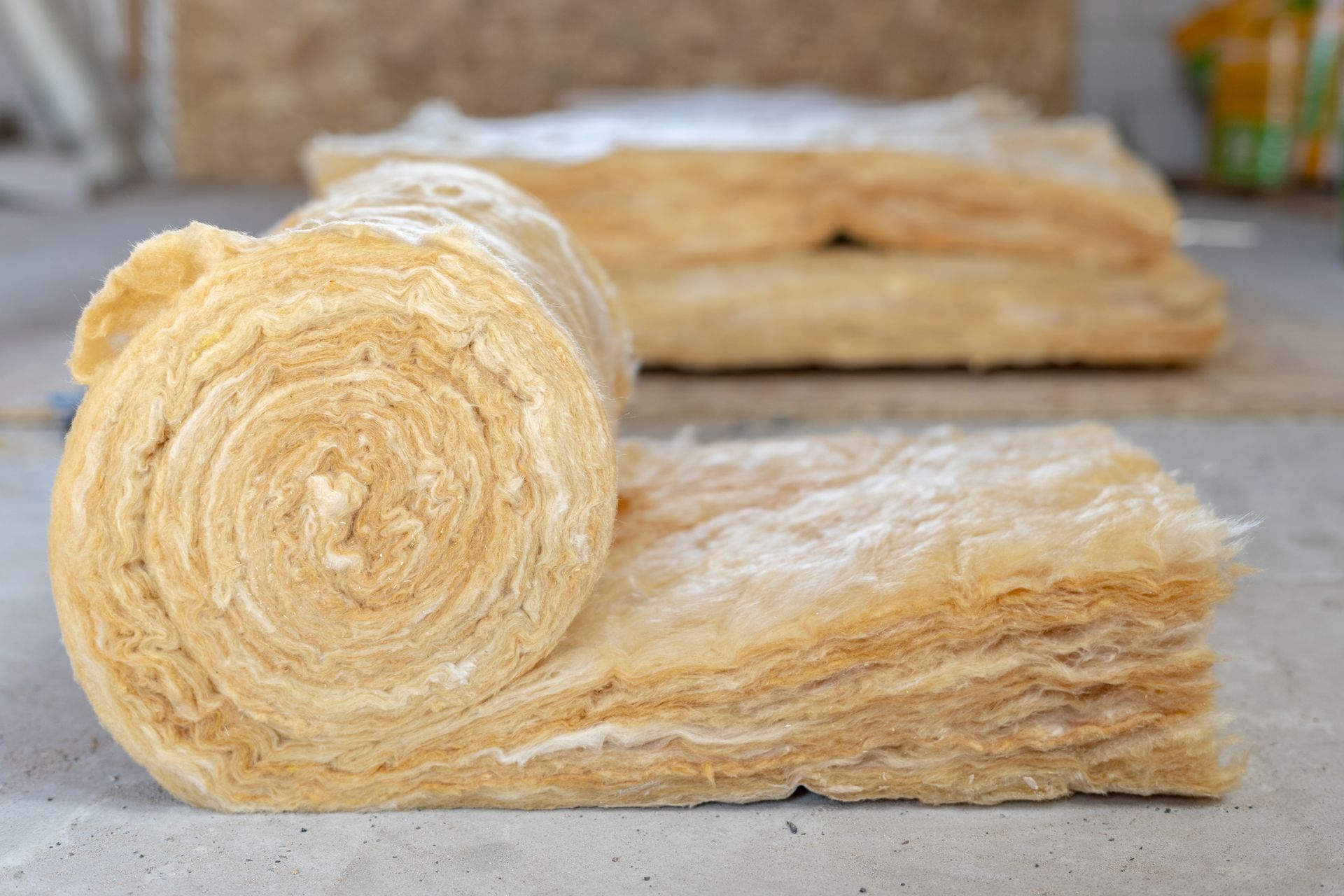
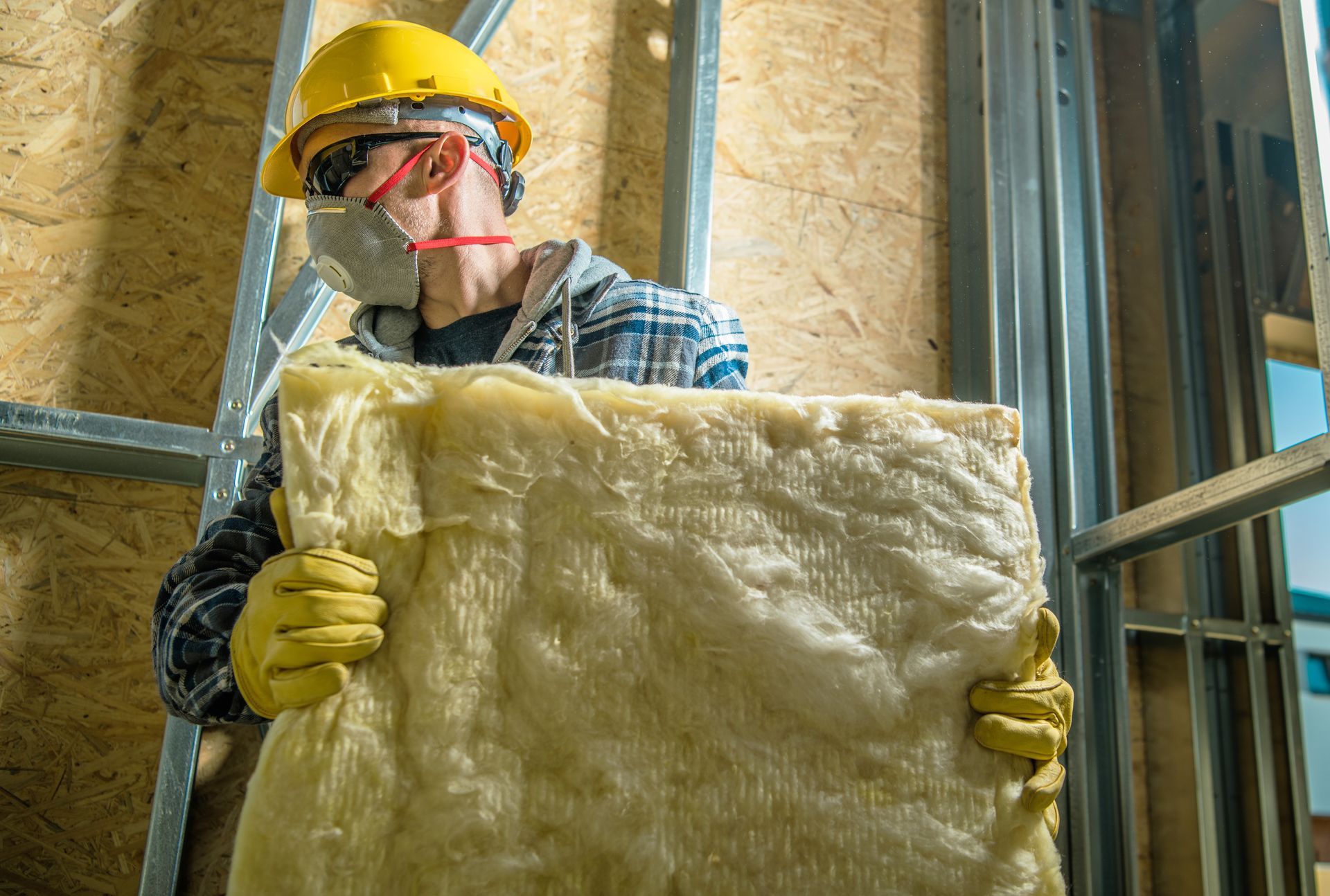
• Inspect Top Plates: If you pop your head into the upper cavity look for dirty fiberglass batts which act as a filter trapping dust as warm air rushes past them.
• Review Past Bills: Pull up last year's winter utility statements to calculate exactly how much money you lost to a leaky building envelope.
Stage 2: Schedule Targeted Top Plate Sealing
Once you know the house is leaking you must address the physical gaps before the deep cold sets in. Professional intervention is required to locate and seal the hidden bypasses correctly.
• Secure an Inspection: Have a professional crew evaluate the framing gaps hidden beneath your existing loose fill or fiberglass materials.
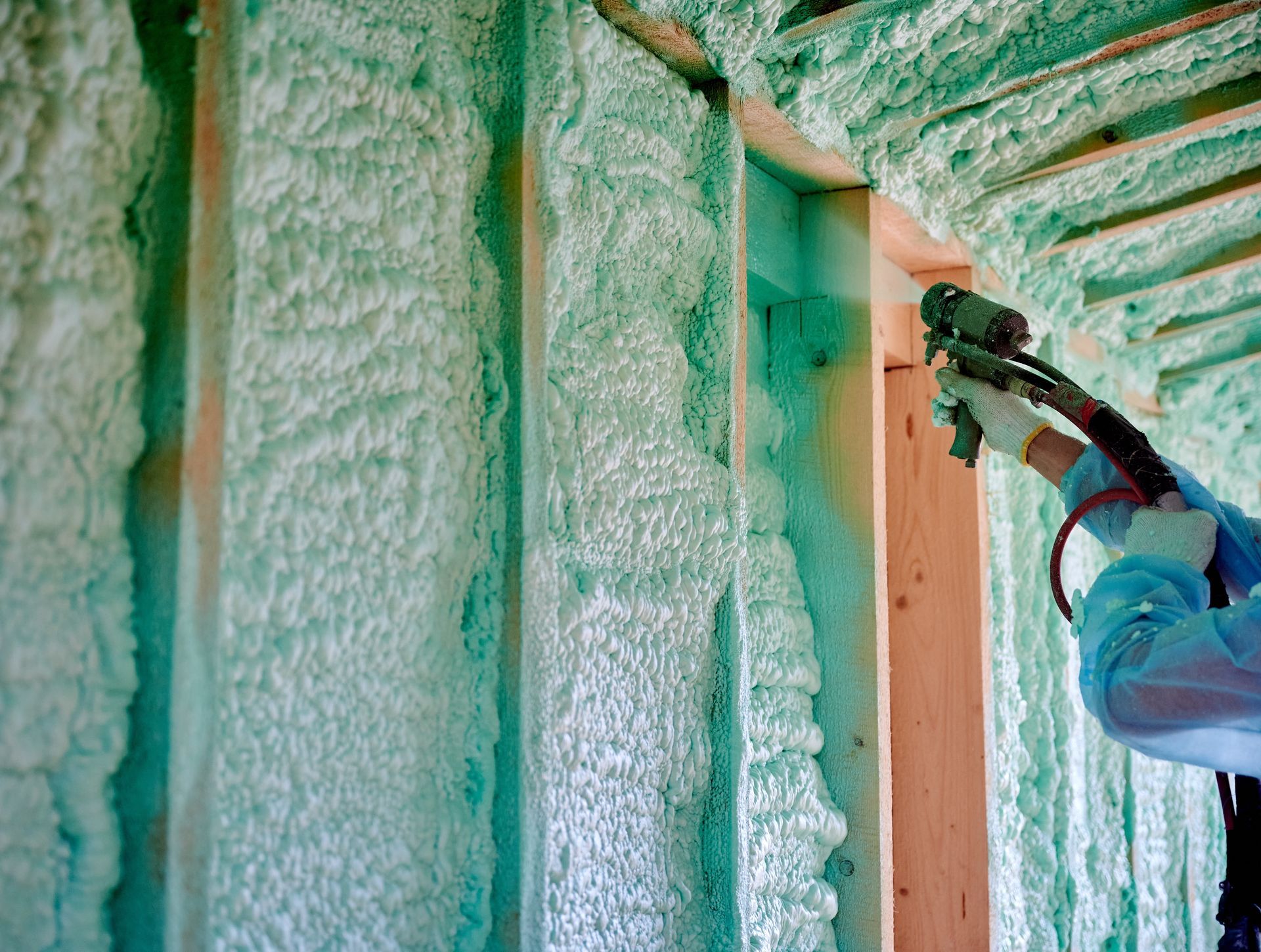
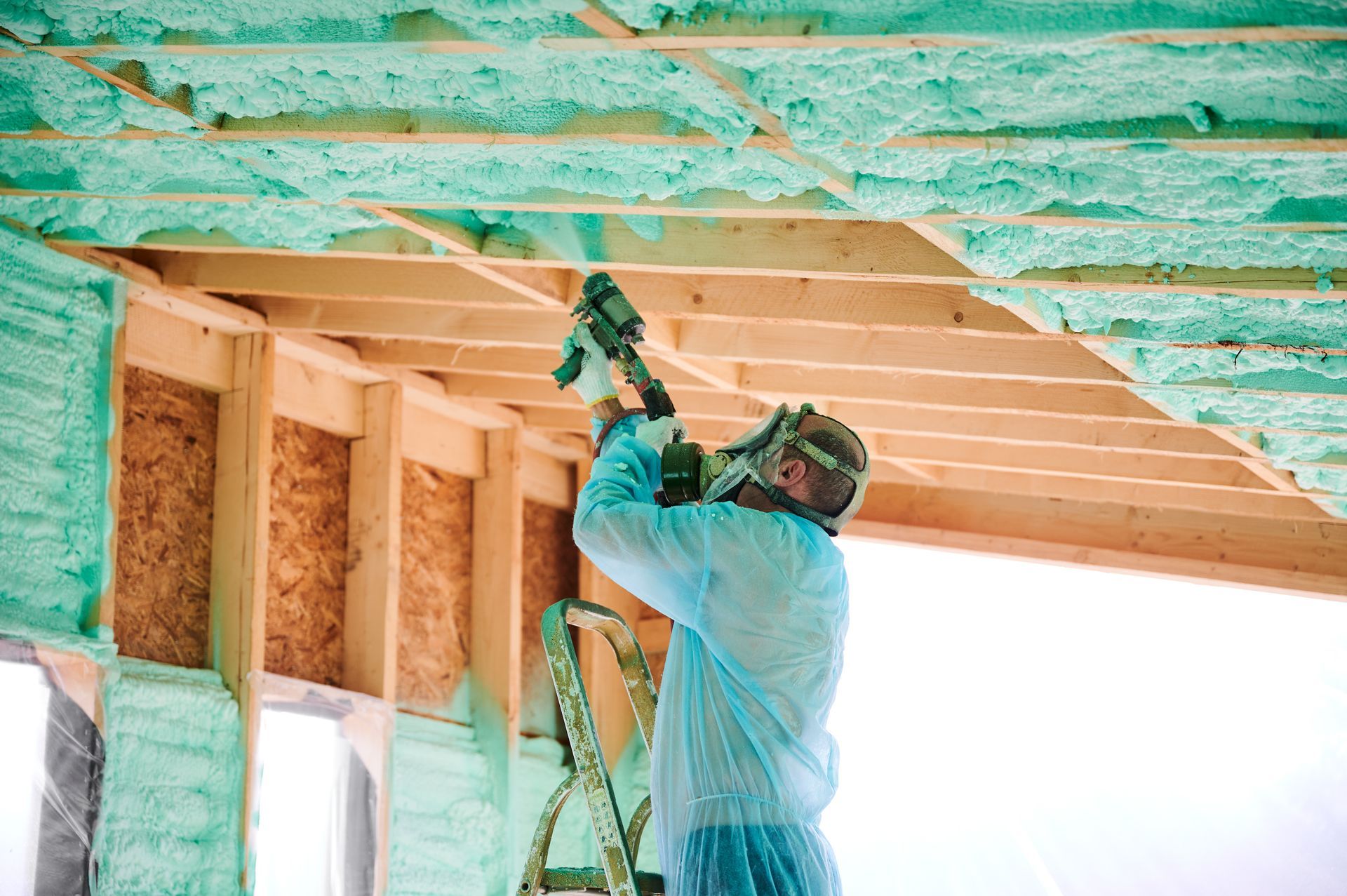
• Seal Plumbing Chases: Ensure technicians apply expanding foam around every pipe and wire that penetrates the ceiling drywall.
• Box Out Heat Sources: Confirm the crew uses fire rated materials to block gaps around older recessed lighting canisters safely.
• Address Sidelights and Hatches: Add heavy weather stripping to the pull down stairs and seal the perimeter trim tightly against the drywall.
Delivering a noticeable improvement in room temperatures and a sharp drop in heating costs is a pattern the team at Greenshield Insulation hears regularly.
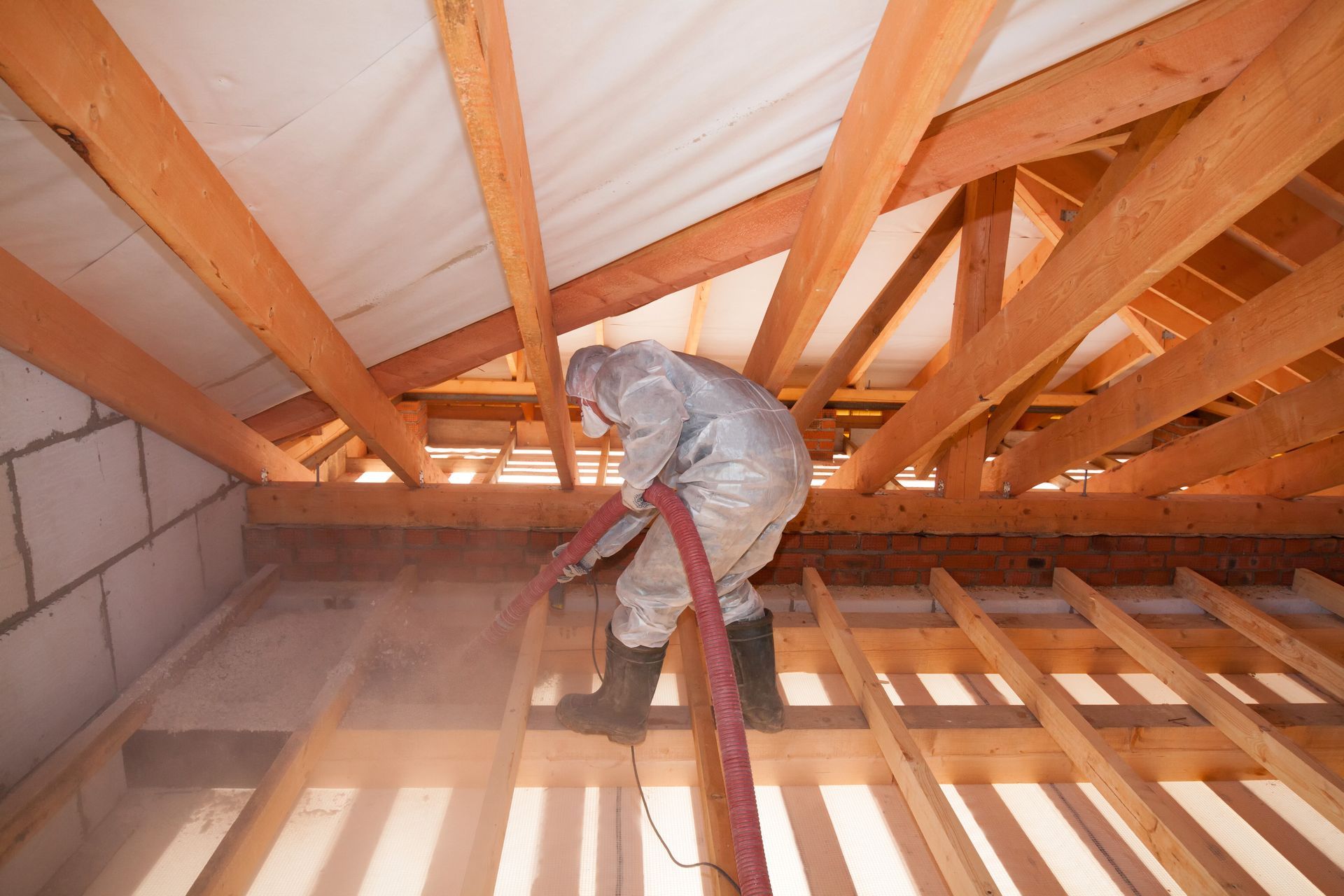
► Client Experience: I'm pretty happy with the insulation work. The room above my garage had cold floors so Greenshield punched holes on the garage ceiling drywall, blew in several bags full, and patched up the holes and cleaned up everything afterwards. They showed up on time, did very clean work, was very professional and most importantly the outcome was great. The room floor is no longer cold and the house is better insulated than before. The price was very competitive and they knew exactly what to do. Highly recommended.
Fixing these thermal bypasses permanently changes how a room holds its heat making the entire house vastly more comfortable.
Stage 3: Protect Your Heating Budget
The final stage is ensuring your new thermal boundary performs at its absolute peak during the coldest weeks.
• Verify Coverage: Make sure the targeted sealing work is properly covered by a thick layer of loose fill material to maximize the thermal resistance.
• Cap the Chimney Bypasses: Ensure the large structural gaps surrounding your masonry chimney are blocked with rigid sheet metal and high temperature caulk.
• Check the Perimeter: Walk the exterior of the home to ensure no major cracks exist where cold air can sweep into the wall assemblies.
► Delaying structural sealing by even one month forces your furnace to run twenty percent longer making it the most costly procrastination of the heating season.
Frequently Asked Questions
What are the most common air leaks in an older home?
The biggest culprits are usually the top plates where the interior drywall meets the wooden wall framing. Other major leaks occur around plumbing stacks electrical wire holes and unsealed attic hatches. Because these gaps are hidden out of sight under existing dust and loose fill it often requires targeted attic insulation removal to access them properly.
Does air sealing make existing insulation work better?
Yes it dramatically improves the performance of any thermal material currently in your house. Fiberglass and loose cellulose cannot stop airflow they only slow down conductive heat transfer. By stopping the physical draft from moving through the material you allow the fibers to actually trap the heat as designed.
How long does whole home air sealing take?
A professional crew can typically seal the major upper boundary bypasses in a single day depending on the size of the property. The process involves pulling back the existing materials applying expanding foam to the structural gaps and replacing the fill. It is a fast and minimally invasive procedure that yields immediate financial returns on your next utility bill.
Stop Paying to Heat the Neighborhood
Locking down your structural framing is the only guaranteed way to keep expensive furnace heat inside your living space. We send experienced crews to find the hidden gaps and plug them permanently so you can enjoy a draft free home. Contact our office today to get on the schedule before the incoming cold weather fills up our available slots.
Share This Blog