HVAC Issues vs. Commercial Insulation: What Property Managers Miss
Commercial building owners and facility managers often assume that rising heating bills and hot-and-cold spots point directly to mechanical equipment failure. At Greenshield Insulation, our specialists frequently inspect facilities where expensive roof units are running constantly to compensate for a weak building envelope. Replacing or servicing HVAC units without addressing insulation gaps simply forces new equipment to overwork in a leaky structure.
Understanding the true cause of energy loss allows property managers across San Jose and the Bay Area to make smarter capital investment decisions. Scheduling a commercial insulation upgrade addresses thermal boundaries, reducing structural heat loss and lowering mechanical load across the entire facility. Evaluating insulation performance before signing off on costly equipment replacements saves money while improving tenant comfort.
In this article:
● Diagnostic mistakes: Why mechanical issues are often envelope failures in disguise.
● Envelope mechanics: How missing insulation forces equipment to cycle continuously.
● Upgrade strategy: Target areas that yield the highest commercial energy efficiency return.
● Frequently asked questions: Key considerations for commercial insulation projects.
The Diagnostic Gap Between HVAC Performance and Building Envelope
When facility directors ask why are my commercial building heating costs so high, the immediate reflex is often to blame aging furnace units or rooftop heat pumps. However, mechanical systems only respond to the temperature demand dictated by the space itself. If heat escapes through uninsulated roof decks, commercial crawl spaces, or unsealed wall assemblies, the climate control system stays engaged regardless of equipment age.
In commercial properties throughout Santa Clara and Palo Alto, inadequate thermal resistance allows heat to migrate rapidly through concrete and steel framing. Adding mechanical capacity to a building with poor thermal resistance is like buying a larger heater for a drafty tent. Fixing structural heat loss first stabilizes interior temperatures and allows existing HVAC systems to operate at intended efficiency levels.
Key Indicators Your Building Needs a Commercial Insulation Upgrade
Distinguishing between HVAC mechanical defects and insulation deficiencies requires looking at how thermal patterns behave across the facility. Uninsulated roof assemblies and hollow perimeter walls create predictable comfort and maintenance indicators that point directly to thermal breakdown.
● Uneven temperature zones: Specific offices or warehouse floors remain cold despite constant heating unit operation.
● Excessive equipment short-cycling: Heating systems start and stop frequently as heat escapes rapidly through structural bypasses.
● Uncontrolled moisture condensation: Cold spots on exterior wall interiors or roof decks trap humidity and cause surface moisture.
● Escalating monthly utility expenditures: Heating bills rise year over year even when utility rates and operating hours remain stable.
Strategic Areas for Commercial Insulation Upgrades
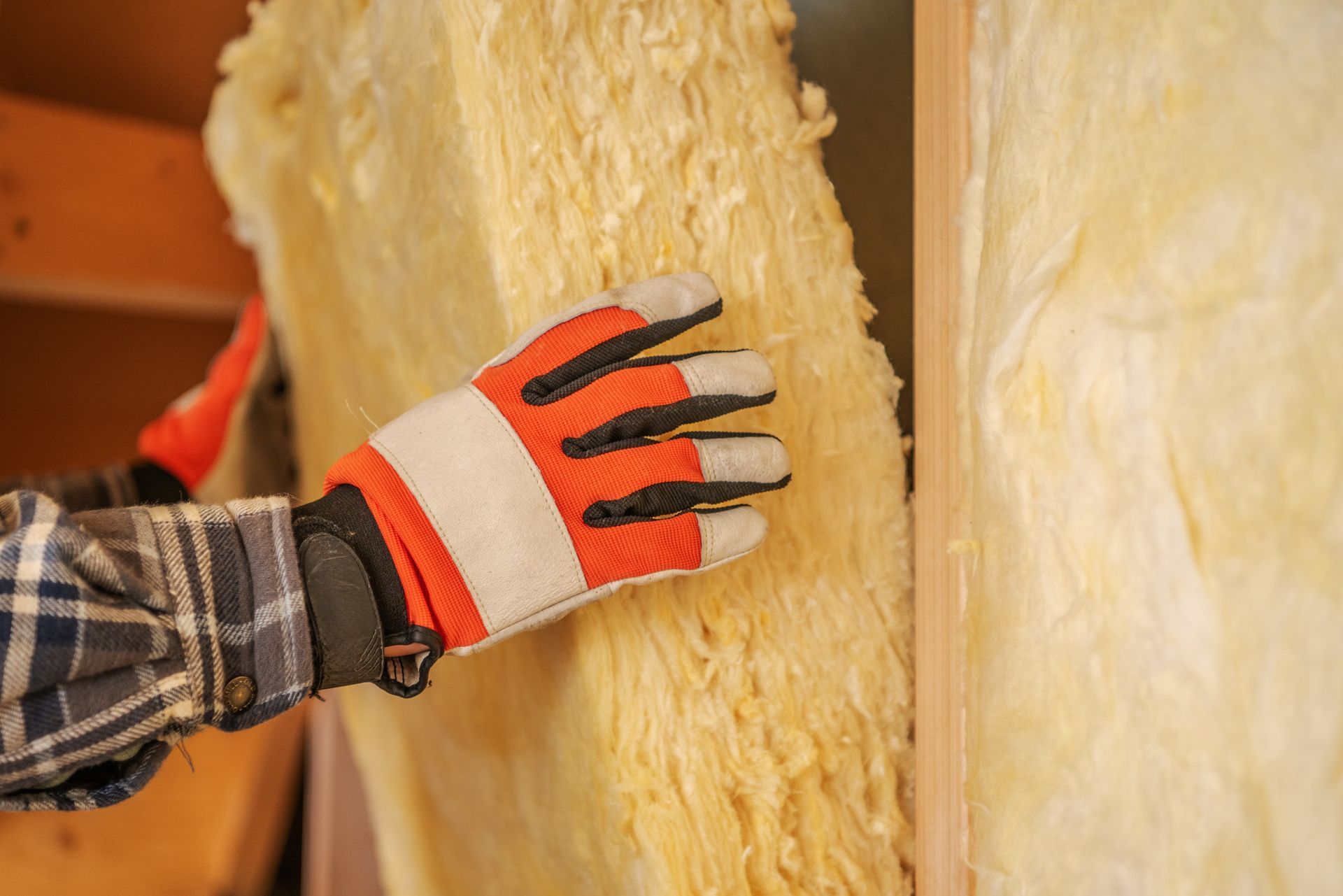
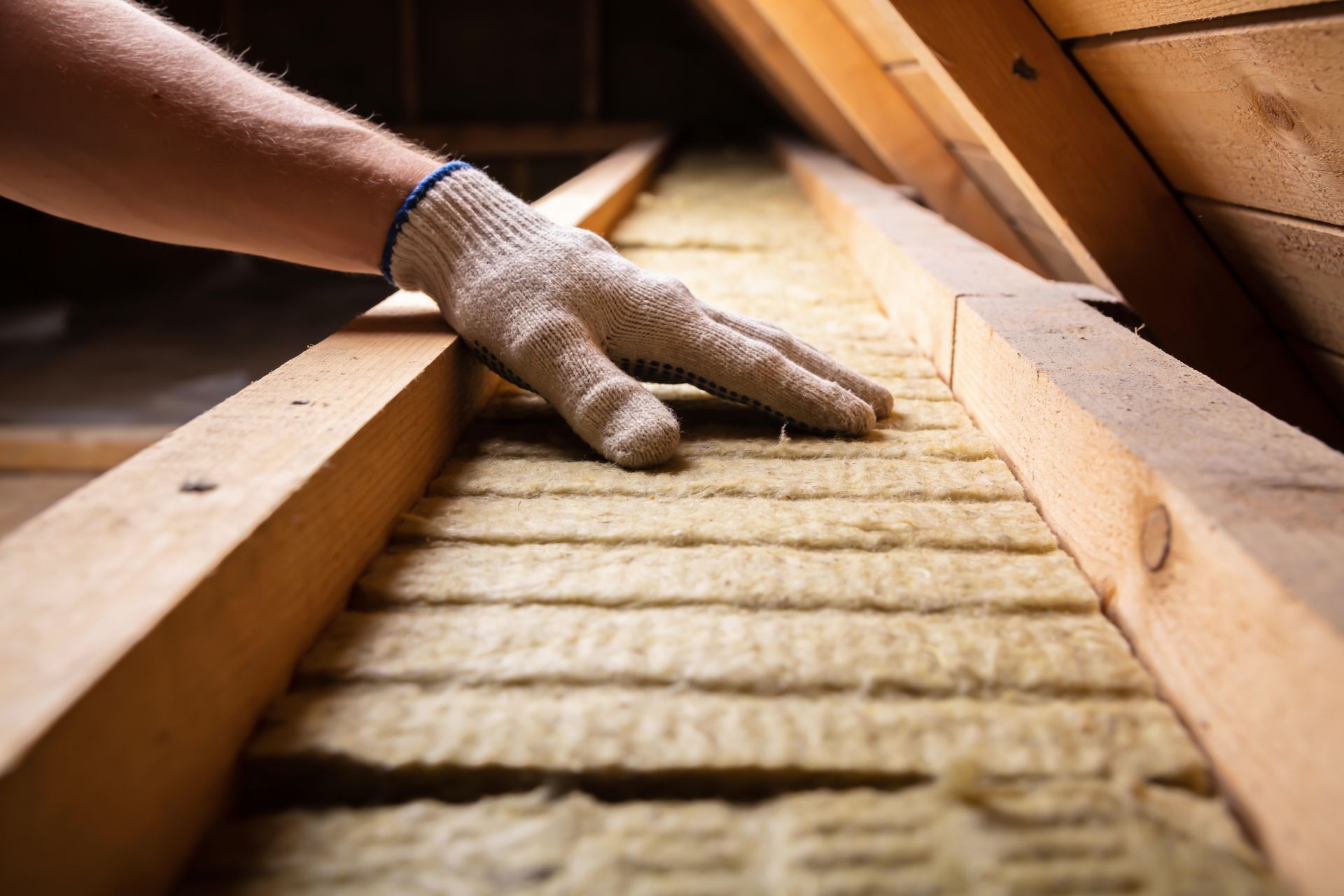
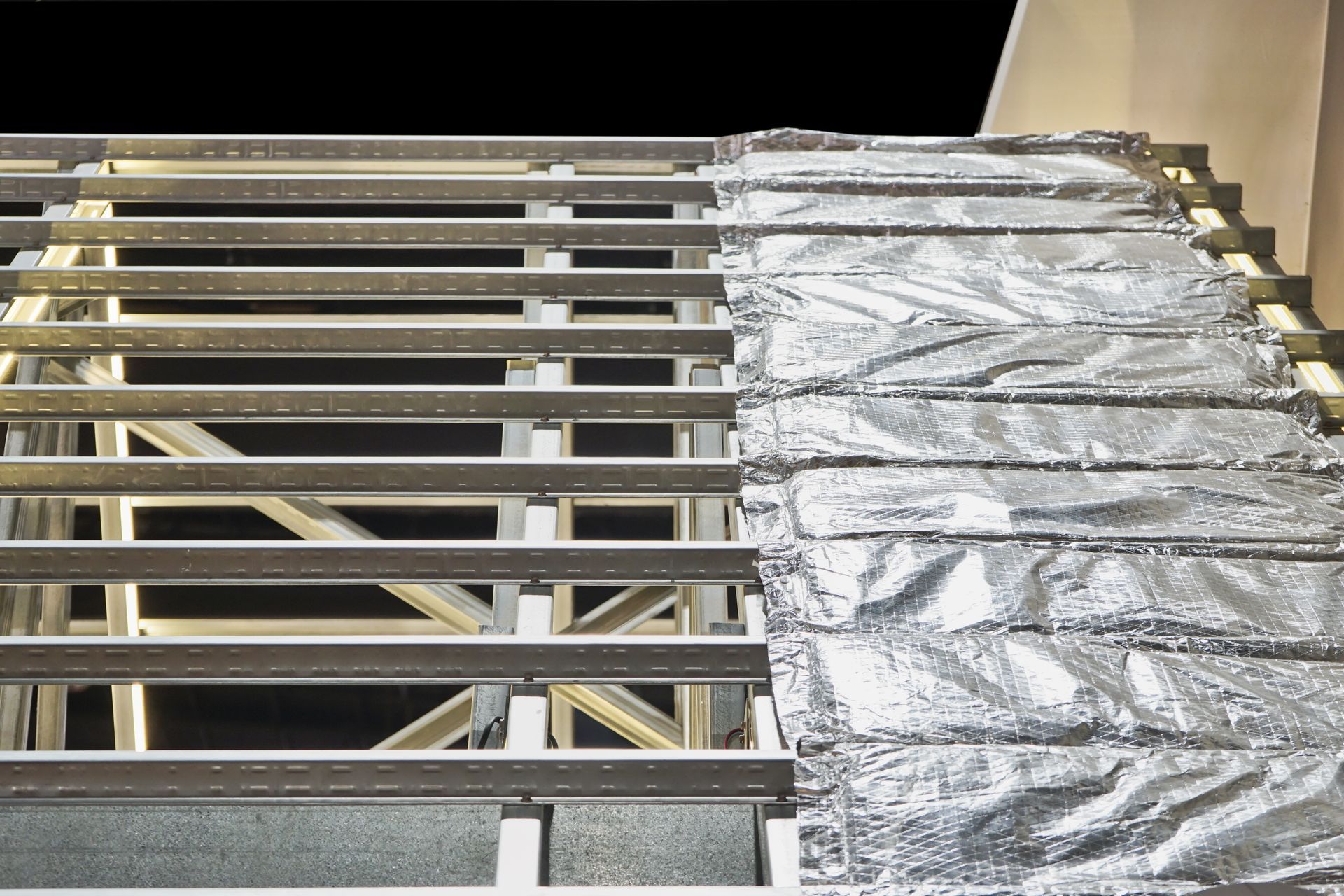
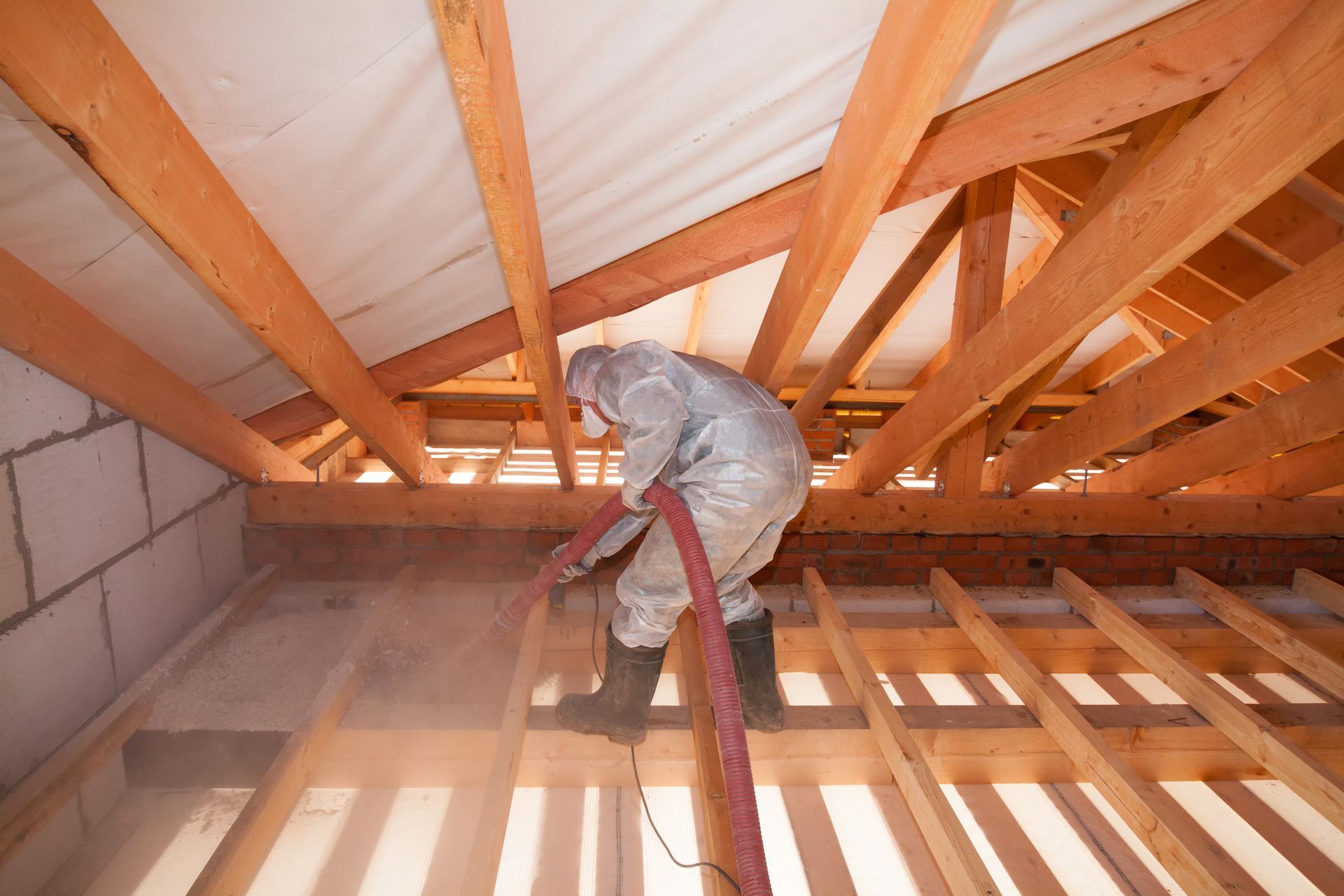
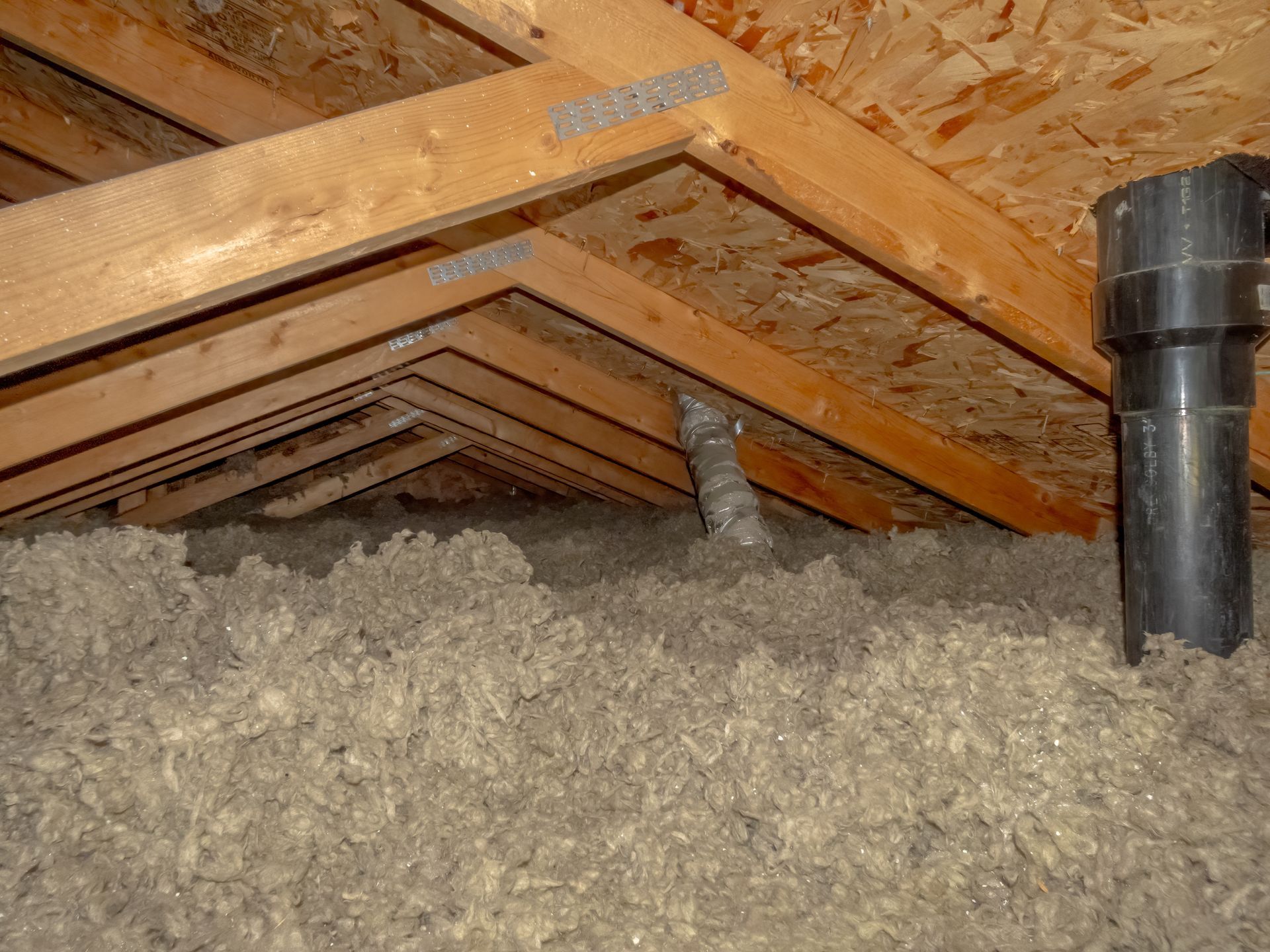
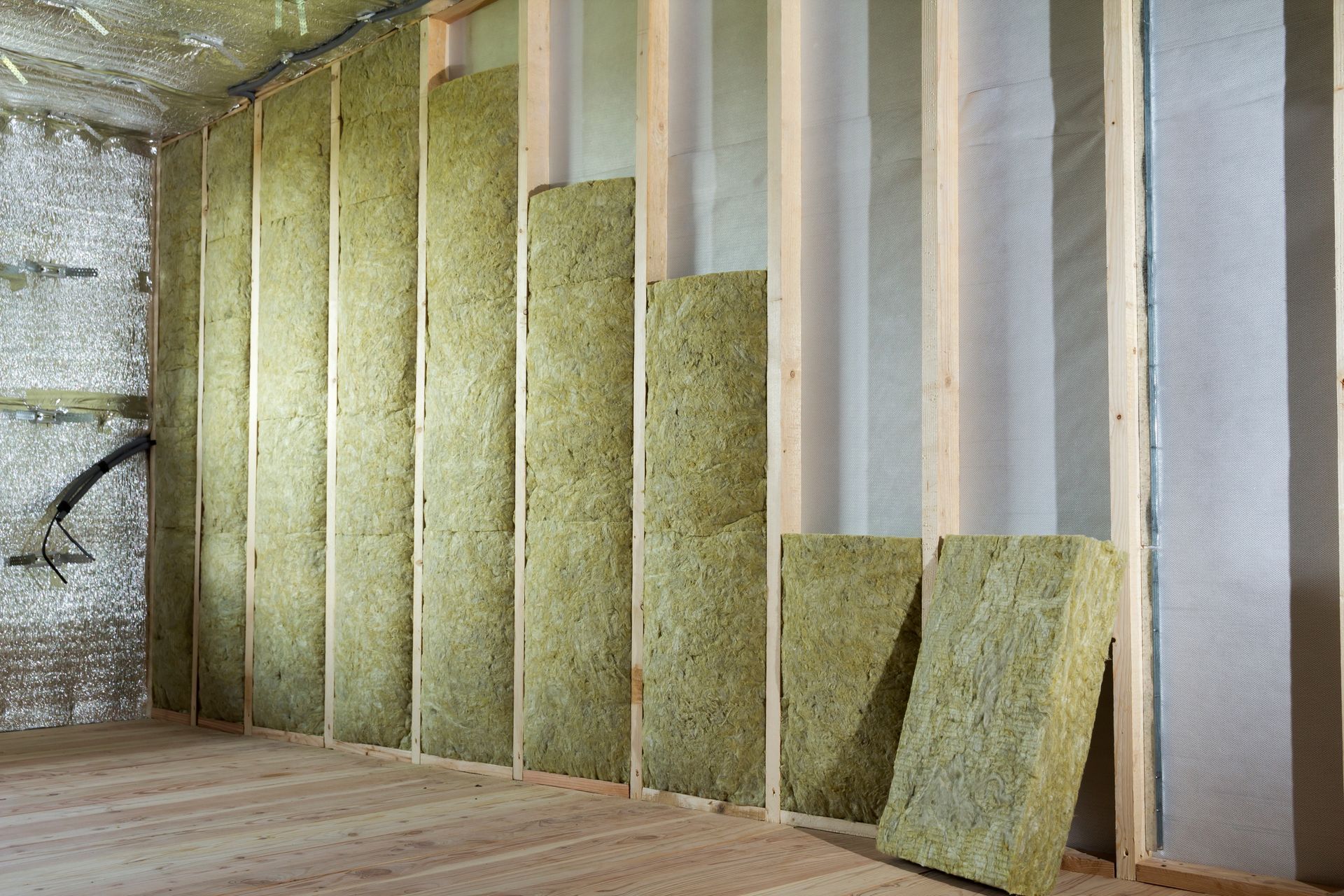
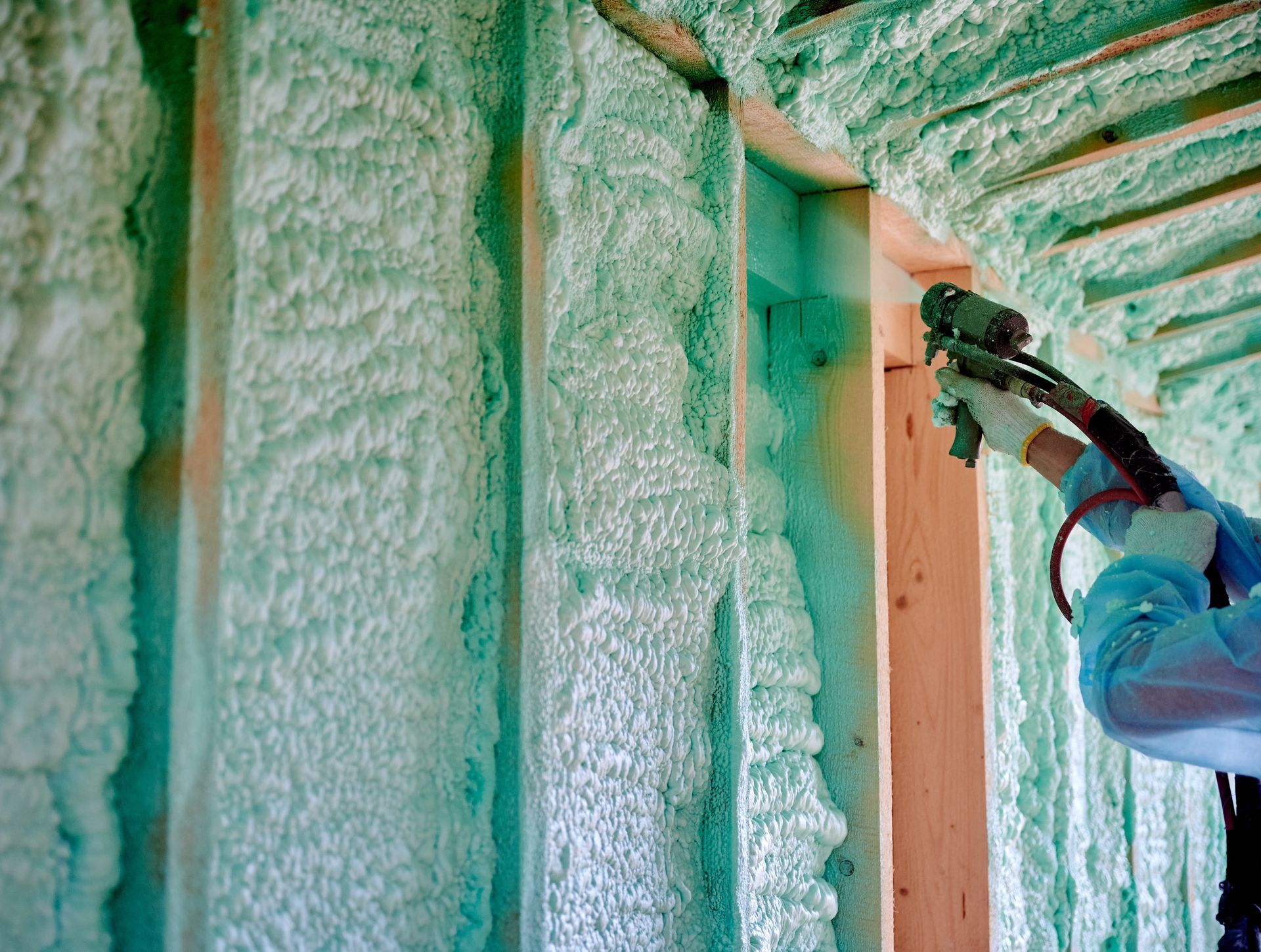
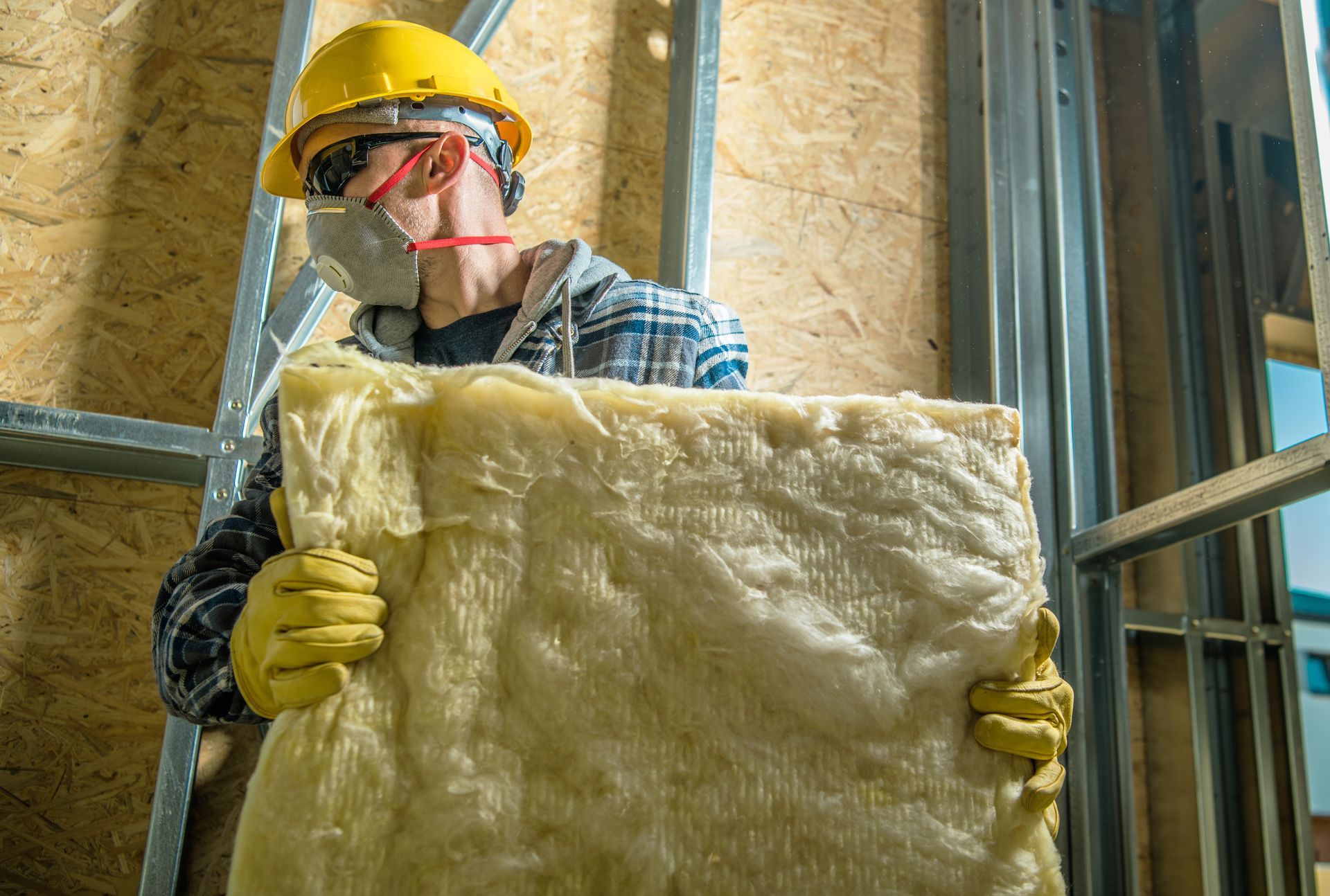
Commercial properties present unique structural layouts that require specialized insulation materials and application techniques. Addressing roof decks, suspended ceilings, and exterior wall cavities with rigid foam, mineral wool, or dense blow-in insulation stops air movement and thermal transfer.
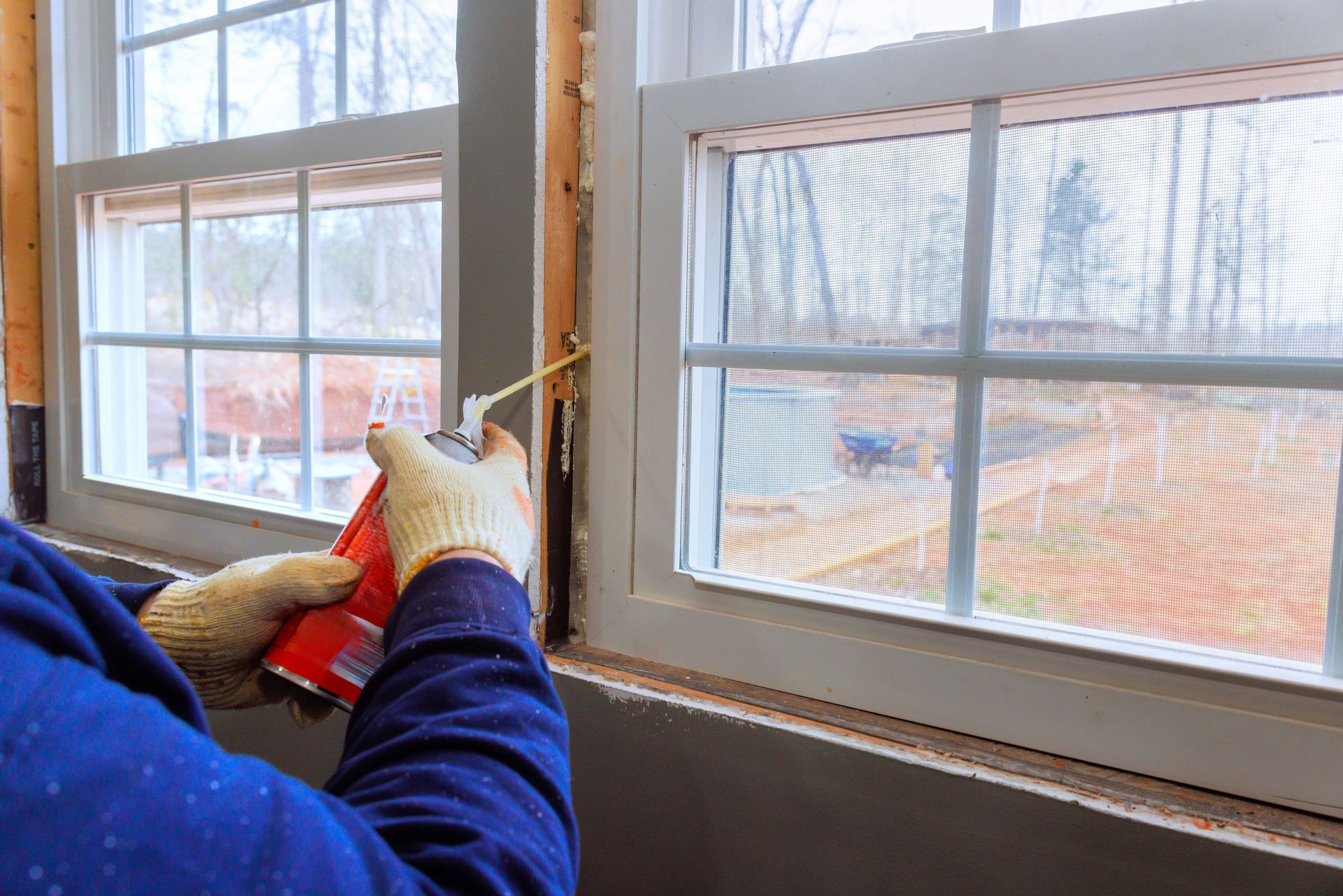
Integrating professional air sealing alongside commercial insulation upgrades yields the strongest performance. Sealing mechanical penetrations, utility chases, and parapet wall intersections blocks air leakage paths that bypass insulation layers. This dual approach protects building materials from moisture accumulation and extends the operational lifespan of mechanical equipment.
Frequently Asked Questions
Will installing commercial insulation disrupt business operations during work hours?
Professional insulation crews schedule work during off-peak hours or complete installations in phased sections to keep daily business operations running without interruption.
How quickly does a commercial insulation project pay for itself?
Most commercial properties recover installation costs within two to four years through lower utility bills and reduced HVAC maintenance expenditures.
Protecting Commercial Assets and Operating Budgets
Addressing building envelope performance provides a long-term solution to rising energy expenses and mechanical wear. Greenshield Insulation works directly with property managers, architects, and general contractors across the Bay Area to deliver tailored insulation solutions. Schedule a commercial property evaluation with our team to identify thermal gaps and lower your building operating costs.
Share This Blog